Benefits of Thai Massage Therapy

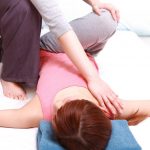
Thai massage body twist

In comparison with Swedish Massage, which generally focuses on the physical aspect of kneading the muscles, Thai Massage therapy focuses on combining aspects and techniques that focus on trigger points, neuromuscular therapy, manual therapy and myofascial treatments. Thai Massage therapy is made up of physical aspects as well as energetic which allows a full body and deep treatment that starts at the feet and progresses up to the head. Throughout a Thai Massage, there are gentle and flowing movements by moving the body and stretching the joints as well as the muscles. This type of massage is very unique in the way that it focuses on the flow of energy in the body by applying acupressure on the sen energy lines, which allow the body to harmonize and energize.

The traditional Thai Massage is authentic and sticks to its traditional ruts which go back to 2000 years ago. It is a healing art form of therapy throughout the body and was developed by people who used this massage therapy as not only to maintain health and wellness but also to treat illness. It combines the stretching of yoga, exercise movement and focuses on the reflexes while also focusing on the calmness of meditation.

Some of the physical benefits are helping detoxification of the body, increase circulation and lower blood pressure, increase flexibility and improve breathing, improves posture and balance, helps with arthritis and back pain, slows the aging process and prevents illnesses.

Some of the mental benefits include improving your outlook towards life, building an emotional balance, calming your mind and helping you gain creative and mental clarity.

Some of the psychological benefits are reducing and relieving stress and anxiety, help boost energy levels, develop self control, increase stamina and health and vitality.

Benefits Received Through Facials

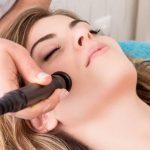
facial with tool

While you may enjoy the relaxation you feel when receiving a facial, there are many other benefits that can create healthy glowing skin. Choosing the type of facial you want depends on what results and benefits you are specifically looking for. Some facials are designed to deep-clean the skin, others offer moisturizing benefits, and some help to relieve stress, which can often cause acne. Throughout the many benefits of receiving a facial, cleansing, increased circulation, emotional benefits and anti-aging are the ones we will discuss.

Cleansing

Facials, aromatherapy facials, face packs and massage with facial creams help cleanse the skin, removing toxins caused by dirt and pollution found in your everyday environment. Such facials help to reduce an increased amount of sebum, which is a natural substance that moisturizes the skin. Too much production of sebum can cause skin problems, including blackheads and acne. Cleansing facials open the pores of the skin, remove toxins and dead skin, and cleanse the surface of the skin through exfoliation that will tighten and firm the skin.

Increased Circulation

Facial treatments help to improve and possibly restore circulation to facial skin layers, increasing the flow of blood to skin cells. This rush of blood to the skin gives your skin a healthy glow and increases the size of skin cells with vital nutrients and water, which reduce the appearance of dry and or wrinkled skin. Nutrients such as vitamins and minerals found within the blood, along with adequate hydration, help maintain and develop new skin cells that are essential for a youthful, healthy appearance.

Emotional Benefits

Facial treatments feel good to receive, offering relaxation. Facial massage treatments increase circulation and the flow of blood. They also include a variety of creams, aromatherapy and oils that moisturize the skin, which smell nice, and relieve stress as well as encourage peace of mind.

Anti-Aging

While there is no way to stop the aging process, facials may help slow the skin-aging process and offer you more youthful skin. Intense pulsed light, or IPL, laser treatments remove dead skin cells and increase collagen, cell growth, and development. Examples of common skin laser treatments include DermaWand, OxyLight and Baby Quasar. Each can be used to aid in anti-aging by removing dead and damaged skin and increasing production of collagen, which is essential for healthy skin cells.

Pain Management Through Massage Therapy

pain holding neck and shoulder

An increasing amount of research shows massage therapy can be a very efficient part of pain management and possibly relief. The data that was collected and the knowledge from patients that the doctors received should encourage them to advise the use of pain specialists to incorporate massage therapy into their pain management programs. 

Throughout the data collected, one source stated that “massage is effective for providing long-lasting relief for patients suffering from chronic low back pain.” The next source stated that work done by Quinn, Chandler and Moraska “showed muscle-specific massage therapy is effective for reducing the incidence of chronic tension headaches.” Another source stated that “Recent studies have confirmed the findings and others indicate positive effects for massage in decreasing pain intensity among cancer patients.” The vast amount of information gathered regarding pain management in relation to massage therapy has shown that it is very effective and helpful for patients.

Massage therapy works in a direct and simple strategy: working from external sources, outer workings of pain to the primary root cause in each individual patient. Massage therapists use a holistic approach, as opposed to a traditional approach, focusing on the entire body and its relationship to tissue. With a traditional approach a doctor or caregiver would focus only on the site of the pain.

Another benefit of massage therapy is how it helps patient’s awareness of their bodies and familiarize them with the pain they experience in a different way using human touch. Human touch is especially pronounced for women facing mastectomies because they are losing soft tissue that can be painful but massage therapy can help them feel comfortable with their bodies. The comfort level they experience with their massage therapist improves their confidence and allows them to better deal with pain. There are various other forms of massage that focus on lymph drainage and muscle pain, as well as other pain management therapies. With individual patient’s pain becoming harder to treat, people are finding relief in massage therapy through the human touch and understanding of the human body by massage therapists.

Ten Winter Skin Care Tips

ten winter tips woman sweater collar

For many people, the cold clear days of winter bring more than just a rosy glow to the cheeks. They also bring uncomfortable dryness to the skin of the face, hands, and feet. For some people, the problem is worse than just a general tight, dry feeling. They get skin so dry it results in flaking, cracking, even eczema (in which the skin becomes inflamed). Here are ten Winter Skin Care facial tips to help get you through the harsh winter:

1. Seek a Specialist

If you go to your local drugstore, you’ll be hard put to find a salesperson who can give you good advice. That’s why going to an esthetician or dermatologist even once is a good investment. Such a specialist can analyze your skin type, troubleshoot your current skin care regimen, and give you advice on the skin care products you should be using.

2. Moisturize More

You may have found a moisturizer that works just fine in spring and summer. But as weather conditions change, so, too, should your skin care routine. Find an “ointment” moisturizer that’s oil-based, rather than water-based, as the oil will create a protective layer on the skin that retains more moisture than a cream or lotion. (Hint: Many lotions labeled as “night creams” are oil-based.)But choose your oils with care because not all oils are appropriate for the face.

Instead, look for “nonclogging” oils, like AVOCADO OIL, mineral oil, primrose oil, or almond oil. Shea oil — or butter — is controversial, because it can clog facial pores. And vegetable shortening is a really bad idea. It just sits on the skin and would be really greasy.

3. Slather on the Sunscreen

No, sunscreen isn’t just for summertime. Winter sun — combined with snow glare — can still damage your skin. Try applying a broad-spectrum sunscreen to your face and your hands (if they’re exposed) about 30 minutes before going outside. Reapply frequently if you stay outside a long time.

4. Give Your Hands a Hand

The skin on your hands is thinner than on most parts of the body and has fewer oil glands. That means it’s harder to keep your hands moist, especially in cold, dry weather. This can lead to itchiness and cracking. Wear gloves when you go outside; if you need to wear wool to keep your hands warm, slip on a thin cotton glove first, to avoid any irritation the wool might cause.

5. Avoid Wet Gloves and Socks

Wet socks and gloves can irritate your skin and cause itching, cracking, sores, or even a flare-up of eczema.

6. Hook Up the Humidifier

Central heating systems (as well as space heaters) blast hot dry air throughout our homes and offices. Humidifiers get more moisture in the air, which helps prevent your skin from drying out. Place several small humidifiers throughout your home. They help disperse the moisture more evenly.

7. Hydrate for Your Health, Not for Your Skin

If you’ve heard it once, you’ve heard it a thousand times: Drinking water helps your skin stay young looking. In fact, it’s a myth. Water is good for your overall health and the skin of someone who is severely dehydrated will benefit from fluids. But the average person’s skin does not reflect the amount of water being drunk in one day.

8. Grease Up Your Feet

Yes, those minty foot lotions are lovely in the hot summer months, but during the winter, your feet need stronger stuff. Try finding lotions that contain petroleum jelly or glycerine instead. And use exfoliants to get the dead skin off periodically; that helps any moisturizers you use to sink in faster and deeper.

9. Pace the Peels

If your facial skin is uncomfortably dry, avoid using harsh peels, masks, and alcohol-based toners or astringents, all of which can strip vital oil from your skin. Instead, find a cleansing milk or mild foaming cleanser, a toner with no alcohol, and masks that are “deeply hydrating,” rather than clay-based, which tends to draw moisture out of the face. And use them a little less often.

10. Ban Superhot Baths

Sure, soaking in a burning-hot bath feels great after frolicking out in the cold. But the intense heat of a hot shower or bath actually breaks down the lipid barriers in the skin, which can lead to a loss of moisture.

A lukewarm bath with oatmeal or baking soda can help relieve skin that is so dry it has become itchy So, too, can periodically reapplying your moisturizer. If those techniques don’t work, go see a dermatologist. You may need a prescription lotion to combat the dry skin.
Does Massage Help with Weight Loss?

weight loss woman looking up from scale

You may be surprised but the answer is YES! Scientists now confirm what massage therapists have always known: massage can be a powerful and effective weight-loss tool. By improving your body’s resilience, aiding muscle nutrition and flexibility, and supporting your mental and emotional well-being, massage can take your weight-loss plan to a whole new level.

Massage on its own can’t help you lose the pounds but with exercise and diet massage can boost the results you see. The relationship between massage and weight loss is the result of many things working together, including better injury prevention and healing.  Massage helps in breaking down scar tissue and other adhesions. This aids in recovery time and over all muscular health. Massage therapists also work to improve your flexibility and range of motion. This makes you less likely to hurt yourself, meaning more productive and pain-free hours in the gym. But the benefits don’t end there.

When you receive a massage, you’re directly impacting the circulatory system. By constantly moving blood to body tissues, your massage therapist increases the amount of oxygen and nutrients your muscles receive. Recovery is just as important as the work you put in.

Make It Work For You
We all know losing weight isn’t easy. But, it can be easy to incorporate massage into the healthy lifestyle you’re building. Make sure your massage therapist about your new goals and fitness plan so that treatments can be customized to your body’s specific needs.  The more information you can provide to your therapist the better off you will be. A lot of this will be covered during the intake process with questions about your medical history, injury and any medications you may be on.  This only aids your therapist in tailoring a treatment just for you.
Weekly massages are ideal, but you can reap plenty of benefits from monthly visits, too. Your massage therapist will work with you to set a specific schedule of appointments that fits with your workout routine, as well as your finances. Don’t be concerned if your MT wants to see you more often at the beginning of your plan–this is normal, and helps him or her to get to know your body’s way of handling stress and exertion.

It’s Ok to be a little self-conscious
While, it’s natural for anyone to feel a little self-conscious at first about undressing for a massage. If you’ve put off massage therapy because you’re embarrassed about your body shape, take heart: massage therapists are sensitive to your concerns and don’t want you to feel ashamed. They are used to seeing all shapes, sizes, and conditions of the body. A well-trained massage therapist has an entirely clinical perspective, no different than any other health-care worker.
Throughout the course of a massage, clients are discretely draped under a sheet, with the therapist only uncovering the body part being worked on. Of course, you can always wear swim attire or undergarments during your massage, it’s all about what makes you feel comfortable.  Although, some undergarments can hamper the therapist’s ability to treat curtain muscle groups.  Remember, rest easy in the knowledge that your massage therapist has been trained to nurture and help you without passing judgment. It is there job to make you comfortable and to address any issues you may have.

The Power of Touch

It’s easy to overlook your emotional health when planning a new diet and exercise regimen, it’s the primary factor determining your weight-loss success. Massage is a way to stay mentally on track as a reward and as a tool to keep your body healthy. Your massage therapist can also act as a cheerleader who celebrates your victories with you and helps keep you positive and committed.

Regular massage is all about connecting your mind with your body. As you continue to get massage you’ll naturally become more aware of your body’s needs and more motivated to meet them.

Adding massage to your routine is one way to treat yourself while still staying on track.

Alleviate Chronic Pain With Massage

man-rubbing-his-shoulder-with-a-look-of-pain-on-his-face

Massage therapy can help clients manage a variety of health conditions, from arthritis to chronic pain.

Dealing with these conditions, however, requires you not only to understand the health condition and its symptoms but also what information you might need to tell your therapist to make the massage session more effective.

Massage and Chronic Pain

More and more research is confirming the benefits massage therapy offers people dealing with chronic pain, whether because of injury or as a symptom of another condition. Some people who are looking to use massage to help manage pain can only come in once they’ve been cleared for massage therapy by their physician.  It’s best to openly communicate any chronic pain issues with your therapist including fibromyalgia, chronic myofascial pain syndrome, and arthritis, to name just a few.

Fibromyalgia and chronic myofascial pain syndrome (CMPS)

According to the National Fibromyalgia Research Association, more than six million Americans suffer from fibromyalgia—90 percent of whom are women. Fibromyalgia is often characterized by numbness in the upper and lower body, joint stiffness in several areas of the body, and widespread musculoskeletal pain. The condition is diagnosed when 11 out of 18 tender points are painful to the touch, and some clients might also experience other symptoms, including headaches, anxiety, depression, and sensitivity to environmental stimulation such as bright lights, loud noises, and strong odors.  Massage can help. It reduces stress, helps relieve pain, decreases feelings of anxiety, and increases general overall well-being, all of which are great for people with fibromyalgia

CMPS (Chronic Myofascial Pain Syndrome) typically occurs when a muscle has been contracted repetitively, often due to repetitive motions (usually from a job or hobby) or stress-related muscle tension. Those with CMPS tend to have a persistent, deep aching pain in their muscles and may have difficulty sleeping. Unlike fibromyalgia, CMPS tends to affect both genders equally.  Neuromuscular therapy and Myofascial release are just some of the massage techniques that have been proven to be effective in treating CMPS.

Arthritis

Arthritis is characterized by an inflammation of one or more joints. The most common symptoms of arthritis are joint pain and stiffness. There are more than 100 different types of arthritis, so understanding your client’s individual pain is essential.  Massage can ease your arthritis symptoms. Recent studies on the effects of massage for arthritis symptoms have shown regular use of massage therapy led to improvements in pain, stiffness, range of motion, handgrip strength, and overall function of the joints.

Whatever your chronic pain issue may be massage can be a useful tool in helping manage and reduce the day-to-day symptoms that can stop you from doing the things you enjoy.

The Science Behind Microdermabrasion

esthetician-prepping-clients-skin-for-microdermabrasion

The Basics

Microdermabrasion is a general term for the application of tiny rough grains to buff away the surface layer of skin. Many different products and treatments use this method, including medical procedures, salon treatments, and creams and scrubs that you apply yourself at home. It’s usually done to the face, chest, neck, arms, or hands. Before we can understand how microdermabrasion does what it does, it’s important to understand how the skin works.

Your skin is made up of two main layers, the epidermis, and the dermis. The epidermis is the layer closest to the outside world. It’s a set of dead skin cells on top of another layer of cells that are in the process of maturing. The topmost layer is called the stratum corneum. The stratum corneum mostly acts as a barrier between the outside world and the lower skin layers. It keeps all but the smallest molecules from getting through.

When you put lotions or creams on your skin, some of the moisture passes through the stratum corneum, but not all of it. This layer is home to many minor skin imperfections like fine wrinkle lines and blemishes.

All of the action in microdermabrasion takes place at the level of the stratum corneum. Since it only really targets the epidermis (and not the dermis), it is more accurate to call it micro-epi-dermabrasion. Affecting deeper layers of skin would be painful and harmful, and it would risk permanently embedding the tiny grains into the skin.

Microdermabrasion Effects

Whether done with a product at home or in a professional setting with a specialized tool, the principle of microdermabrasion is the same. The idea is that if you remove or break up the stratum corneum, the body interprets that as a mild injury and rushes to replace the lost skin cells with new and healthy ones. In the first hour after treatment, this causes mild edema (swelling) and erythema (redness). Depending on the individual, these side effects can last anywhere from an hour to two days.

This process has a few beneficial effects. With the stratum corneum gone, the skin’s surface is improved. The healing process brings with it newer skin cells that look and feel smoother. Some of the skin’s visible imperfections, like sun damage, blemishes, and fine lines, are removed. Also, without the stratum corneum acting as a barrier, medicinal creams and lotions are more effective because more of their active ingredients and moisture can find their way down to the lower layers of skin. As microdermabrasion temporarily removes some moisture from the skin, it is always followed by the application of moisturizing creams.

Early studies suggest that repeated microdermabrasion treatment at regular intervals may influence the way the lower layers of skin grow, as well, removing deeper blemishes over time. Some evidence seems to indicate that the rapid loss of skin moisture may be what triggers the lower skin layers to work overtime in speeding healthy cells up to the surface.

Healthy Foods For Healthy Skin

Smiling-woman-drinking-a-healthy-beverage-with-a-straw

How Water Benefits Your Skin

Drinking water is one of the best things you can do to keep your skin in shape. It keeps your skin moist — and that makes fine lines and wrinkles less noticeable. It also helps your cells take in nutrients and get rid of toxins. And it helps with blood flow, keeping your skin glowing. The common advice is to drink 8 glasses of water a day, but you may not need exactly that many. The water in fruits, veggies, juice, and milk counts toward your total.

Antioxidants for Healthy Cells

Antioxidants are important to slowing and preventing free-radical damage. You can find them in all kinds of foods, especially colorful fruits and vegetables like berries, tomatoes, apricots, beets, squash, spinach, sweet potatoes, tangerines, peppers, and beans.

Vitamin C: Power Over the Sun

The sun can be tough on your skin. Vitamin C can help protect you. It also helps undo sun damage to collagen and elastin, which firm up your skin. Get vitamin C from red bell peppers, citrus fruits, papayas, kiwis, broccoli, greens, and brussels sprouts.

Get Some Healthy Fats

Omega-3s and omega-6s are good fats that help make your skin’s natural oil barrier, keeping away dryness and blemishes. Essential fatty acids like these help leave your skin smoother and younger-looking. You can get them from olive and canola oils, flaxseeds, walnuts, and cold-water fish like salmon, sardines, and mackerel.

Antioxidant Powerhouse in a Cup

Green tea may be the closest thing to a magic potion that you can find for your skin. It helps stop inflammation, helps slow DNA damage, and can even help prevent the sun from burning your skin. You can find green tea in lots of cosmetics, but why not go straight to the source: Drink it!

7 Things Your Body Hair Says About You

Legs-being-waxed

It’s a woman’s prerogative to change her hair. But when body hair changes without our permission? Then it’s our imperative to check it out. Because hair is a signifier—its presence, its gain, or its loss—hair is always trying to tell us something. Here’s what your hair can reveal about you:

1. Your genetic inheritance

image

(Photo by: Getty Images)

The amount of hair that blankets your body can depend on your ethnicity. The fine hairs that cover the body are called vellus (from the Latin word for “fleece”). Long, coarse, pigmented hairs that are larger in diameter are called terminal hairs and are found in eyebrows and eyelashes, on the scalp and chin, under your arms, and in your pubic area.

“There’s a spectrum of what’s normal with each ethnicity, of course, but different ethnicities have differing amounts of terminal hair,” says Margaret E. Wierman, MD, professor of medicine at the University of Colorado Medical Center in Denver and chief of endocrinology at the Denver Veterans Administration Medical Center. “The ethnicity with the least amount of terminal hair is Asian, whereas people of Hispanic and Middle Eastern descent typically have the most. Other ethnicities fall somewhere in between. So what’s normal, hair-wise, for you might not be normal for someone of a different ethnic background.”

2. You could have an autoimmune problem

It’s rare, but the immune system can turn on your hair follicles. The result can be losing your hair in odd, circular patches (called alopecia areata); losing all your hair on your scalp (alopecia totalis); or losing all your hair on your head and body, including your eyebrows and eyelashes (alopecia universalis). These conditions are typically treated with systemic steroids, and the hair can grow back—though the cure doesn’t always last.

3. Your hormones are out of balance

image

(Photo by: Getty Images)

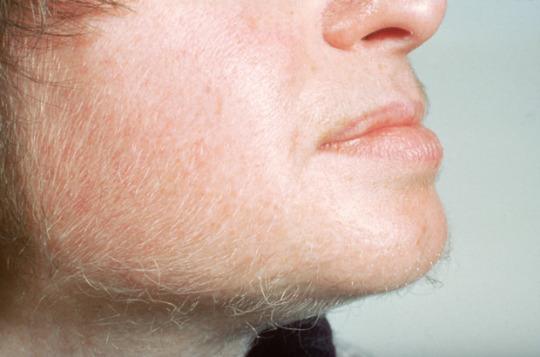
A sudden increase in hair growth or loss in women is often caused by an imbalance of male hormones, which are naturally present in both men and women in differing amounts. If you get an increase in testosterone, for example, excess hair can be the result. “It’s called hirsutism—a condition of unwanted male-pattern hair growth in women,” says Wierman. “The ‘male-pattern’ part of the diagnosis means hair above the belly button, on the upper chest, or on the upper back. More than eight hairs around a single nipple is considered abnormal in women and would meet the definition of hirsuitism.”

Much like male-pattern excess hair, male pattern baldness in women is also a sign of shifting male hormone levels. When estrogen levels decline during menopause and, as a consequence, testosterone rises, many women find that the hair on their heads thins while their facial hair becomes coarser. You might even find an errant hair on your chin. “Initially horrifying, yes,” says Wierman, “but all perfectly normal.”

4. Your ovaries may need checking

“If hirsutism is accompanied by irregular periods, it’s most likely a systemic problem,” says Wierman. The most common cause is polycystic ovary syndrome, which is characterized by enlarged ovaries that contain small collections of fluid, called follicles. The second most likely cause is obesity, which can also accompany polycystic ovary syndrome.

5. You might have a tumor

If hirsutism comes on very suddenly and dramatically—”Say, over a period of six months,“ says Wierman—and your testosterone levels and DHEAS levels (a blood test will reveal both) are very high, you may have a tumor that is releasing male hormones and changing the hormone profile in your body to such as extent that you’re growing hair and fast. “In these cases, we look for a tumor of the adrenal gland or ovary—both are possibilities,” she says. “It’s not common, but it’s something your doctor will check out.”

6. You might be iron deficient or have an underactive thyroid

image

(Photo by: Getty Images)

Everyone has a hair cycle. Some people tend to naturally shed hair in the spring and fall; others in the summer and winter. But diffuse hair loss—noticeable hair loss on your body and your head can indicate an iron deficiency or an underactive thyroid. Vegetarians and women with heavy periods can experiences this type of hair loss. Thyroid related loss has specific symptoms, says Wierman: “If you find that you’re losing the outside third of your eyebrows—and you’re developing ridges in your nails, you probably have autoimmune thyroid disease,” she says. “Go in for a blood test to have your TSH—or, thyroid-stimulating hormone—levels checked.”   A sudden change in your estrogen levels—after pregnancy or stopping birth control pills, for example—can also lead to temporary hair shedding.

7. Your bad habits

Some drugs leave detectable traces in your hair for years—even a century. Trace amounts of morphine were found in a lock of hair that had been snipped from celebrated English poet John Keats’ head 165 years after his death. The ode master had relied on morphine for pain relief while he was dying of tuberculosis.

By Megan Othersen Gorman

Benefits of Sports Massage

Man-getting-a-massage-on-his-back

The sports massage actually came from the Swedish massage technique. Geared specifically to the athlete, this massage focuses on muscles that have seen a large degree of stress and use, often to the point of overuse. Normally, these are muscles that have seen repetitive and aggressive movement as a part of the overall sport or competition.

Sports massage is now recognized by many in the training industry as an accepted component of an overall regimen of training and competition. This means the athlete can enhance pre-competition and reduce the required recovery period, which means a better and more intensive training session after a competition. Flexibility, a necessary component of any athletic completion, is also a part.

Many do not realize it, but sports massage has certain characteristics that make it ideal for athletes. The targeting of the muscle and tendons within the body is key for athletic training. A study in 2010 in America found athletes who had massages before and after strength training saw a definite decrease in soreness after activity.

There are several key elements to sports massage. To better understand each of these, let’s look at them separately.

  • Motion and Flexibility: Professional and superior athletes often overtrain and this leads to muscle rigidity. Sports massage can help relax overly tense muscles and provide additional flexibility. Used before a competition, it will relax the muscles for flexibility, improving performance.
  • Shortens Recovery Time: Exercise and competition is stressful on the body. This will lead to injury if proper precautions are not taken. Sports massages are ideal to help the body deal with this stress and injury prevention. A proper massage increases blood flow and lymph fluid, both assisting in the body’s natural healing process, speeding waste removal and general health improvement. Swelling and inflammation associated with physical activity is also reduced. Scar tissue, normal from a severe injury, can be lessened with massage.
  • Supply of Oxygen and Nutrients: Blood flow into muscles is vital to creating new tissue and increased strength and stamina. Massage increases blood flow for additional oxygen and nutrients.
  • Helps Eliminate By-Products of Exercise: Lactic and uric acids are natural by-products of exercise. Each can be lessened with blood and lymph flow in the body and increase the waste output by a sports massage.
  • Psychological Benefits: There is much to be said about psychology and sports. Many do not realize the value of a massage with sports and how a quality massage has more than just physical benefits. The body is only as strong as the mind, so having a strong mind that is relaxed and focused is a definite edge in highly competitive sports. A stressed athlete is not nearly as capable as one with a clear mind.
  • Reduces Pain: A body in pain is a sign of overworked muscles and is not healthy. Massage increases blood and lymph fluid flow, thereby speeding the injury rehabilitation process. A massage also helps with pain from spasms and cramps, common with elite athletic training.

PRECISION WELLNESS

Therapeutic Massage, Esthetics and Yoga

Precision Wellness Logo

Services as unique as you are