10 Secrets Your Massage Therapist Knows About Your Body

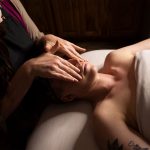
esthetician-touching-clients-face-with-both-hands-over-their-eyes

Whether you’re an uninhibited veteran or a skittish first-timer, there are physical secrets you can’t hide from me, your massage therapist. The good news is they’re pretty much universal. It doesn’t matter whether you’re shaped like an apple, a pear, or a bottle of pomegranate juice. Leave your underwear on, if it makes you more comfortable. The truth will still come out.

1. No one’s face is symmetrical. I’d love to clamber onto the shoulders of Michelangelo’s David to see what he looks like from the angle I enjoy from the head of my massage table. From that vantage point, we’re all Picassos, our eyes and nostrils more chaotically placed than you might imagine. I guess morgue workers have similar access to these sorts of upside-down facial realities, but I’ll stick with live flesh.

2. Nothing is immune to gravity. Breasts fall, bellies lose their elasticity, and those of us lucky enough to survive our first three or four decades have more dewlaps than an iguana. Rather than attempting to outfox the natural progression of time with painful, expensive procedures and injections, revel in the elegance of biology.

3. Sight is not the only sense that matters. The softest, most wonderful-feeling flesh I ever touched belonged to an 80-year-old competitive swimmer…who finished last in every race he entered. He seemed happy enough, hopping onto the table for a complimentary sports massage after every heat. He took care of himself, and it showed…in a nonvisual way. Other favorite clients smell really good or laugh like delighted hyenas when we discover a muscle they’d forgotten they had.

4. Scars are badges of experience. This includes the stupid ones, like that circular exhaust pipe burn on your calf, a souvenir of an aborted day trip in Bali, when dressed in shorts and flip-flops you rented a scooter you didn’t know how to operate and took it for a spin. Every picture tells a story…every scar suggests there’s a story waiting to be told.

5. A deep breath is truly beautifying. Whether you’re releasing the countless pesky irritants of an average day or passing through a doorway to profound emotional release, you look great doing it.

6. Ditto good posture. Not everyone is capable of this. Working with a first-time client, I sometimes think, “Oh, you poor thing, I bet you played college football” or “I bet your job required you to stand in high heels eight hours a day for some twenty-odd years. These hands-on insights allow me to tell teenagers to stop slumping without fretting that I’ve become an old fusspot. (Did I just straighten your spine? Hooray! I’m magic!)

7. Your embarrassment is endearing. Farting is natural, especially when your abdomen’s being probed in a therapeutic way. And knowing that most boners are beyond their owner’s control, I refrain from taking them personally, unless you start agitating for a “complete release,” also known as a “happy ending.” (I hate to ruin your fairy tale, pal, but that’s not where our story’s going…today or ever.)

8. Silicone breasts and patchy hair plugs do not inspire tenderness, but the motivations and insecurities behind them do. Don’t be ashamed if you clicked on this article, secretly hoping for scientific proof of a miracle berry with the power to erase cellulite, acne, and all evidence of sun damage. Deep down, we’re all children, longing to believe.

9. Your brain is a much better liar than your body. We tell each other—and ourselves—all sorts of whoppers in our desire to save face, minimize our true feelings, or shirk responsibility. Our mouth may pay these untruths lip service, but there’s a puckered forehead, stiff buttocks, and bunched-up trapezius that would beg to differ.

10. Your body craves affection. Past experience, the difficulty of daily interactions, and suspected ulterior motives can convince us that others are best kept at arm’s length, but simple, compassionate touch is a gift your body will gladly receive. I know you’re only here because you screwed up your neck, but as long as you’re paying for it, there’s no shame in savoring every aspect of the experience.

By Ayun Halliday

Sen Line Therapy + Thai Massage FAQs

massage-therapist-helping-a-thai-massage-client-do-a-back-bend

What Are The Benefits of Thai Massage?

Did you know that we offer Thai massage in Springfield, MO, at Precision Wellness? Learn more about the benefits of Thai massage in the article below, and then give us a call to schedule your own Thai massage! Our licensed and trained massage therapists focus on areas of the body that need more work, and vary the strength from light touches to deeper tissue massage, as well as more demanding stretches. The key is to feel relaxed and comfortable, even if Thai massage is challenging your body at times.

Health Benefits + FAQs of Thai Massage

Thai Yoga massage is an ancient technique; a therapist specifically trained in the art stretches your body with assisted yoga poses. This massage technique focuses on energy points, called “sen.” When the massage therapist stretches your body, she also presses and massages along the sen lines.

How does Thai massage improve circulation + lymphatic drainage?

A Thai massage works in similar ways to regular yoga poses. As you hold a pose, your blood slows to targeted areas. When the pose is released, circulation flows back into the area. Better circulation and oxygen levels can improve mental clarity, mood, energy levels, and quality of sleep.

Some positions, including the plough, shoulder stand, and spinal twist, are particularly effective with circulation. Inverted poses can help with lymphatic drainage.

How does Thai massage help joint + muscle tension?

To release muscular tension, the Thai therapist presses feet, hands, thumbs, knuckles, and fingers into certain points while holding you in a stretch. This helps relieve areas of stress and tension.

More oxygen and greater detoxification promote greater mental clarity and enhances mood, energy levels, and quality of sleep. The kneading, rocking, and static pressure of Thai Massage alleviate tension in joints and fascia. 

How does Thai massage help stress?

By manipulating your muscles in a Thai yoga massage, emotional and mental stress are released. Thai massage includes meditation, which also helps you to relax and better manage your stress.

Movements that massage, stretch, and create pressure are a way of maintaining internal balance and connecting the body, mind, and beyond in harmony, releasing energy along the way.

How can Thai massage boost a body’s immune system?

By invigorating the nervous system through massage and relaxing toxins with improved circulation, you may increase your immunity to disease.

A boosted immune system is considered one of the benefits of Thai massage — some yoga devotees believe that practicing yoga poses can improve your body’s immunity and lead to longevity!

Just imagine: Lying in a dimly-lit room, surrendering to the here and now, allowing your body and mind to flow as slow, methodical movements lull you into a restful, centered state, disengaging from the hubbub around you and sensory overload of life, gives you the space and time to let go of stresses and strains.

Book A Thai Massage Now

7 Reasons to Get a Facial

woman's face with clay mask being applied

There’s a wealth of information about skin care that’s readily available to us at the click of a mouse. That more than likely means your bathroom is already filled with products—peels, masks, scrubs, etc.—that can give you a serious deep clean. But while it’s great to practice good skin care, that doesn’t necessarily mean you should be skipping out on seeking professional help. And even though you may not suffer from severe acne or other chronic conditions, your complexion will still benefit from the attention of a trained esthetician.

“Getting a facial is important to understand how your skin works and how it reacts to stress, hormones, and the elements,” says Regine Berthelot, the treatment manager at Caudalie Spa in New York City. “People with problematic skin should book a monthly facial. At the least, getting one every season is recommended to keep the skin balanced.”

We asked our favorite experts exactly why we should all be booking an appointment (and fast). Here’s what we learned.

1. Facials can actually clear your pores. “A professional treatment will fully cleanse your skin in a way that you simply can’t at home,” insists Dr. Marko Lens, a dermatologist and founder of skin care brand Zelens. “Think about it this way,” offers Kate Somerville, founder of the eponymous beauty brand, “You brush and floss your teeth twice daily, but you still need to go to the dentist a few times a year for optimal health.” Facialists normally utilize a safe and gentle steam to really open your pores and allow them to breathe. It’s a don’t-try-this-at-home kind of cleansing.

2. If something’s wrong, you’ll find out why. “Your skin changes over time depending on age, weather, and even hormones,” Somerville explains. “It’s a good idea to have an expert who can help you address those changes, identify skin conditions, and educate you on how to treat them.” If you have great skin now, don’t trust that it will last forever! For example, lots of girls suffer from eczema in the winter and simply blame it on dryness. Not treating a serious condition can lead to long-term skin damage!

3. You’re popping your zits wrong. Don’t lie. We know you do it. (And we do, too.) But every time you squeeze a pimple, you’re risking acne scarring and dark marks. “Regular, professional extractions will help keep the skin clear,” Somerville insists. “It will also help prevent long-term damage you might be causing at home.” You may even find that booking a regular appointment will eliminate any reason to pick and pop yourself. “Facials are essential to prevent imperfections,” adds Dr. Lens.

4. It’s better than the beauty counter. You know when you go to a beauty store and someone tells you what to buy based on looking at your skin under fluorescent lighting? That’s not how we should be purchasing things. “A knowledgeable, licensed esthetician will provide personalized skin recommendations and a regimen that will address your individual concerns.” The best way to know your skin is to examine it, cleanse it, treat it, and then assess it. Once you’re on a great regimen, the esthetician will update it by season. It’s like having your own concierge!

5. There are some things you just can’t DIY. “You will never have the right products at home to get a professional effect,” insists Dr. Lens. (Take that steam machine as a prime example!) “We utilize light therapy, using blue and red LED, to eradicate the bacteria that cause inflammation during breakouts,” says Somerville. “It’s also been proven to reduce pore size, stabilize oil production, and promote healthy cell growth.” Unless you’ve got big bucks and the proper degree, you can’t get that kind of treatment at home!

6. You’ll find your happy place. “Facials are so much more relaxing than a DIY,” says Dr. Lens. In fact, Berthelot uses a mix of high frequency, massage, and hot towels to maximize the pampering experience! Everyone knows stress can cause skin issues, so a facial can cure any breakouts and give you reason to take a few deep, cleansing breaths.

7. Confidence is key. “I struggled with eczema for years,” says Somerville, “and I’ve seen every skin concern imaginable in my clinic. I know exactly what it’s like to regain skin health and feel confident. You should feel comfortable in your own skin!”

So, what are you waiting for? Call and schedule your next facial at Precision Therapeutic Massage and Esthetics in Springfield, MO today.

Your Pre-Wax to-do List from Precision Therapeutic Massage and Esthetics

dripping wax

Bikini season is upon us and in-spa waxing services are the number one choice for getting bathing-suit ready skin. To make sure your waxing experience is the best experience possible, here is a pre-wax to-do list!

1Seek out a pro! Sure, there are plenty of at-home waxing kits that promise to remove hair but, a professionally trained esthetician will be able to ensure that your waxing experience is as safe, quick and painless as possible. Using an at-home kit means taking risks and can leave you with irritated skin, burns or even less hair than you mean to end up with.

2Let your hair grow! You may be tempted to tidy up in-between waxing sessions, but allowing your hair to get on a growth cycle is what the professionals recommend. It means a less painful wax experience as your hair will get finer, thinner and grow more sparse. At the very least, allow for two-weeks of hair growth. Waxing works best when there is at least a quarter inch to a half inch of hair.

3Check your ingredient labels! Avoid exfoliants for at least 48 hours before and after you wax and stop using retinol products 3-5 days beforehand. Both remove dead skin cells and leave your new, top layer of skin more sensitive. Waxing is already an exfoliant as it clings to both hair and dead skin cells so applying it to a new, more sensitive layer of skin makes for a more painful process.

4.  Prepare for a little pain. Although using a professional esthetician means receiving the most pain-free experience possible, they are still pulling your hair out. You should still expect some discomfort. Taking a a pain reliever prior to your appointment can help.

5. Avoid an irritation situation. Steer clear of coffee and alcohol for 24 hours before your appointment as both can sensitize skin, increasing the potential for pain and irritation. Wear loose-fitting clothing and avoid letting your skin come into contact with any potential irritants.

Now that you know how to prepare, you can give us a call to schedule your next wax at Precision Therapeutic Massage and Esthetics in Springfield, MO.

Massage and Weight Loss

Woman-measuring-waist-with-a-measuring-tape

Weight Loss and Bodywork | Helping You Meet Your Goals
By Genevieve P. Charet

Originally published in Body Sense magazine, Spring/Summer 2010. Copyright 2010. Associated Bodywork and Massage Professionals. All rights reserved.

Massage–anything this good must be fattening, right? Wrong! Scientists now confirm what massage therapists have always known: massage can be a powerful and effective weight-loss tool. By improving your body’s resilience, aiding muscle nutrition and flexibility, and supporting your mental and emotional well-being, massage can take your weight-loss plan to a whole new level.

The relationship between massage and weight loss is the result of many subtle improvements working together, including better injury prevention and healing.

Jeff Wooten, founder of YourBodyMechanic.com, explains: “Massage helps to heal existing injuries by breaking down scar tissue and other adhesions. This creates a more functional muscle and improves joint integrity.” Massage therapists also work to improve your flexibility and range of motion. This makes you less likely to hurt yourself, meaning more productive and pain-free hours in the gym. But the benefits don’t end there.

When you receive a massage, you’re directly impacting the circulatory system. By constantly moving blood to body tissues, your massage therapist increases the amount of oxygen and nutrients your muscles receive. This soothing cycle eases you into much-needed rest and relaxation time.

Deneen Rhode, a massage therapy instructor who teaches fitness classes, says, “The qualitative style of Swedish massage relaxes the nervous system and takes the body into what is known as the parasympathetic nervous system. The parasympathetic state is very restorative to the body–it is where the body needs to go to heal itself.” When you accomplish this through massage, it means you’ll need less recovery time between workouts and that you can move your fitness routine full speed ahead.

Jeff Mann, the regional manager for Cortiva Institute Schools of Massage Therapy, knows this firsthand. With experience as both a massage therapist and personal trainer, he has seen the way massage can help clients drop pounds and keep them off. “Massage to weight loss is like the padding on a steering wheel–you can do without it, but it makes it a lot easier and more comfortable to hang on to.”

Make It Work For You

Losing weight isn’t easy. Thankfully, it’s simple to incorporate massage into the healthy lifestyle you’re building. It’s a good idea to have a special consultation with your massage therapist about your new goals and fitness plan so that treatments can be customized to your body’s specific needs.

Meredith Nathan, director of massage at Pulling Down the Moon in Chicago, says there are some specific questions you should be prepared to answer. For example, “If you’re following an exercise routine, how has it affected your body? Are there any particular areas of tension or discomfort? Where do you tend to gain weight first? How is your digestive health? Is your lifestyle relaxed or stressful?” The more information you can provide your therapist, the better your results will be–and this extends to your medical history. During your intake process, inform your massage therapist about any health problems, surgeries, medications, and even recent minor illnesses you’ve had. Anything your doctor needs to know, your massage therapist needs to know as well.

”Generally, massage on a healthy [client] should be no more that 90 minutes; 60 minutes is the most common,” Rhode says. Weekly massages are ideal, but you can reap plenty of benefits from monthly visits, too. Your massage therapist will work with you to set a specific schedule of appointments that fits with your workout routine, as well as your finances. Don’t be concerned if your MT wants to see you more often at the beginning of your plan–this is normal, and helps him or her to get to know your body’s way of handling stress and exertion.

Don’t Be Shy

While it’s natural for anyone to feel a little self-conscious at first about undressing for a massage, overweight clients often have major anxieties about disrobing. If you’ve put off massage therapy because you’re embarrassed about your body shape, take heart: massage therapists are sensitive to your concerns and don’t want you to feel ashamed. Thom Lobe, MD, founder and director of Beneveda Medical Group in Beverly Hills, says, “Massage therapists are just that–therapists. They are used to seeing all shapes, sizes, and conditions of the body. A well-trained massage therapist has an entirely clinical perspective, no different than any other health-care worker. The fact is, when I give a massage…what the body looks like isn’t even in my conscious thoughts.”

Throughout the course of a massage, clients are discretely draped under a sheet, with the therapist only uncovering the body part being worked on. Of course, you can always wear swim attire or undergarments during your massage, although they can hamper the full therapeutic effects your therapist offers. Remember, rest easy in the knowledge that your massage therapist has been trained to nurture and help you without passing judgment. Nathan adds that massage therapists “do not expect to work on bodies that are already in perfect health; rather, we get excited about supporting our client’s journey toward better health.”

The Power of Touch

While it’s easy to overlook your emotional health when planning a new diet and exercise regimen, it’s the primary factor determining your weight-loss success. Along the path to fitness, the role of massage in supporting your mental and emotional health may be a critical component. Massage is a calorie-free reward; a way to treat yourself without guilt. Your massage therapist also acts as a cheerleader who celebrates your victories with you and helps keep you positive and committed.

“The more professionals you have on the team, the better,” Wooten says. “The worst thing to do, in most cases, is attempt to get into shape on your own.” Adding a massage therapist to your weight-loss plan is a great way to tell yourself just how serious you are about taking this step.

Massage is a powerful way to love, respect, and nurture yourself. When you love yourself, you won’t engage in unhealthy lifestyle choices. Rhode calls this “the power of touch”–the unique ability that touch has to make us feel safe, comfortable, and at peace. “Very often, those who are obese or overweight become less social and isolate themselves. They become disconnected from others. They may experience less touch in their lives in general,” Rhode says. This disconnect continues a downward spiral of low self-worth and unhealthy living. Massage is a great way to fill in that gap and rebuild a healthy life from the ground up. “I’ve learned that there are no perfect bodies,” Nathan says. “All bodies are unique and have unique needs. All bodies deserve to be nurtured.”

Regular massage is all about reconnecting with your body and getting back into yourself. As you continue to take time out to relax and care for your body through regular appointments, you’ll naturally become more aware of your body’s needs and more motivated to meet them. It’s all part of a greater picture of health and fitness, one that Wooten says, “is a journey, and not a destination.”

Your massage therapist wants to help you build a bridge between mind and body that will last a lifetime. So update your massage from guilty pleasure status to indispensable health habit, and reap the benefits in the form of a fitter, happier you. You’ve earned it.

Genevieve P. Charet is a Chicago-based freelance writer, copy consultant, and food blogger. To read more about her, visit www.genevievecharet.com.

Massage and Allergies

woman-sneezing-into-tissue-near-plants

Allergy Basics

According to the American Academy of Allergy, Asthmas, and Immunology, allergies affect more than 50 million Americans, making it the country’s fifth most chronic disease, third among children.

We spend around 7.9 billion dollars a year on treatment—about 4.5 million on direct care and 3.4 billion on indirect care, including lost work.

Allergies are, in the simplest sense, the body overachieving. “Your immune system is reacting to things it shouldn’t be reacting to,” says Leonard Bielory, MD, director of the Asthma & Allergy Research Center at New Jersey Medical School. “Your body goes on high alert against normally innocuous substances, like cat hair, pollen, or peanuts.”

In this reaction, the body’s mast cells, which are loaded with chemical-like histamines and other granules, break open and release these substances, which in turn hurt the body. The result can be everything from life-threatening anaphylactic shock to the more benign runny nose, foggy thinking, and low-grade chronic cough. Of course, you can suffer in many other ways as well, including gas and bloating, eczema, sinusitis, earaches, headaches, and even joint pain, migraines, and depression.

Relaxing the Symptoms

Many Americans rely primarily on conventional treatments, including antihistamines and steroids, both of which can have some adverse side effects. Massage therapists, however, can help relieve some allergy symptoms by reducing stress, increasing circulation, releasing muscle tension, and reprogramming the body’s panic reaction, which can exacerbate symptoms.

“It’s not to take away from the biological, inflammatory component of the disorder,” says Rosalind Wright, MD, a pulmonist on staff at the Harvard Medical School. “But if you use complementary modalities, including massage therapy, you could optimize the results.”

Few studies researching massage therapy and allergy relief exist, but we do know massage helps with stress, as shown in the 1992 Touch Research Institute study where 30-minute body massages on depressed adolescents decreased saliva cortisol levels.

And stress definitely impacts allergies. A 2008 Harvard Medical School study co-authored by Wright showed that mothers-to-be who expose their unborn children to stress may increase these kids’ vulnerability to allergies and asthma.

Wright says that these stressors act like “social pollutants” breathed through the body, influencing the body’s immune response. “Just as you can breathe in an allergen like dust mites or ragweed, you can breathe in stress,” she says. “You take it into your body and it operates in similar types of pathways.”

So just getting clients to relax may help their allergies. “Most experienced massage therapists know the immediate relief from sinus congestion that can result from just lying face down,” Lies says. This position gives you a chance to work on the upper back and shoulders, where many sinus trigger points are located.

Getting More Specific

Roy Desjarlais, a massage and craniosacral therapist, and vice president of clinical services at the Upledger Institute says that calming the muscles around the clavicle and neck area is also helpful in mitigating the fight-or-flight response brought on by allergies, along with its concomitant symptoms, such as hiking the shoulders, holding the breath and tightening the throat. “Anything that works with upper chest and neck will … engage an area relating to the reticular alarm system, which is the system in our autonomic nervous system that responds to fear and anxiety,” he says.

Specifically, Desjarlais recommends working the sternoclemastoid muscle, pectoralis major and minor, the subclavius, and all the posterior neck muscles going into the occipital muscle. You choose the type of strokes, he says, as long as they’re calming. “This is where the art of massage comes in,” he adds.

Desjarlais also recommends referring to a simple reflexology chart to activate the trigger points on the feet for the thymus gland, the master gland for the immune system, and the pituitary gland, the master gland for the endocrine system.

The head offers its own relief, too.

“When muscles tighten up around the head, it restricts blood flow and closes up sinuses,” says Lies. A simple head massage can help loosen these muscles.

Another technique that can help allergies is lymphatic massage, which can help reduce inflammation, remove toxins and support the immune system. “The lymph system is the system best suited to move those accumulated protein molecules and other wastes out of the area,” says Roger Hughes, a therapist and certified Dr. Vodder Method of Manual Lymph Drainage practitioner.

He’s had successes over the years working with long-time allergy sufferers, including children with food allergies who also have frequent ear infections. In the Vodder method, the strokes are light. “Forty percent of the lymphatic system is right under the skin,” Hughes explains. “Therefore, light, pleasurable, rhythmic touch is the mainstay of the Vodder method.”

Also, one-third of the lymph nodes are in the neck. Hughes begins his sessions there, where he says he’s “opening the lymph faucet.” Although Hughes encourages therapists to honor the practice of referring to certified practitioners of lymph drainage for expert treatment, “working with mindfulness, presence, and intention is more powerful than people realize,” he says. “You’re helping that person let go of himself, and let go of unconscious tension. This, in turn, will let all the fluids in the body—the blood, lymph, and nerves—flow more easily.”

Desjarlais agrees and says setting an intention is a practice like meditation—to continually bring yourself back to the issue at hand. It’s a practice he brings to his work in craniosacral therapy, an osteopathic discipline that uses specific techniques to move the cerebral spinal fluid and to calm the nervous system.

Other craniosacral techniques impact the immune system through the endocrine glands and increase overall fluid exchange, all very helpful in allergy relief. Craniosacral therapy also helps to change some deeply patterned responses.

“Sometimes the reason we react to an allergen is habitual—we get grooved neurologically and physiologically, and sometimes when we break these groove reaction cycles, the body doesn’t react to the allergens anymore,” says Desjarlais.

This happened to Desjarlais himself, who had a longtime allergy to shellfish that caused his throat to swell and his stomach to cramp.

Now, he can eat shellfish with only a mild scratchy throat afterward.

Part of the beauty of craniosacral work is that even taking beginning courses can allow you to incorporate some of the techniques into your practice. “Anyone can apply it to their own work,” says Desjarlais.

Massage and allergies can go quite well together!

Benefits of Regular Massage

smiling man's shoulder being massaged

Making the Most of Your Massage and How to Prolong the Benefits of Body Work

A massage works in wonderful ways, easing stress and pain, calming the nervous system, increasing circulation, loosening tight muscles, stimulating internal organs, and enhancing skin. The multiplicity of physiological responses sends a simple, clear message to the mind: Massage feels good. Of course, you want to hold on to that just-had-a-massage feeling — total body relaxation, muscles relaxed and at ease, and fluid movement restored — for as long as possible.But how long that bliss lasts depends on the state of your body. If you’re suffering from chronic pain or recovering from injury, then it may take more sessions and perhaps different modalities before optimal health is restored.

If massage is part of your regular health regimen, then it’s more likely the effects will endure. In other words, the effects of massage are cumulative, like any healthy habit. The more often you get a massage, the greater and longer-lasting the benefits.

Massage Frequency – How often you receive massage depends on why you’re seeking massage. In dealing with the general tension of everyday commutes, computer work, and time demands, a monthly massage may be enough to sustain you. On the other hand, if you’re seeking massage for chronic pain, you may need regular treatments every week or two. Or if you’re addressing an acute injury or dealing with high levels of stress, you may need more frequent sessions. Your situation will dictate the optimum time between treatments, and your practitioner will work with you to determine the best course of action.

“You need to consider how you felt before the session and how you felt after, and then look at how long you maintain that,” says Pieter Sommen, the chair of the eastern department in the Swedish Institute School of Massage Therapy in New York.

In general, experts say “regular” is preferable, but how regular depends on your situation. While daily massage would be delightful, practical considerations such as cost, time, and physical need likely determine the frequency of treatments. “It’s best to maintain a schedule,” says Eeris Kallil, CMT, a shiatsu instructor at the Boulder College of Massage Therapy in Colorado. “That way the body becomes conditioned and prepared for session at specific intervals.”

Maintenance – Whether you get a massage weekly, monthly, or just every once in a while, the following habits can maximize and extend the afterglow of treatment.

Water – One bit of advice you’ll hear over and over again is to drink plenty of water after a massage. Bodywork — no matter the particular modality — releases toxins, such as lactic acid and carbonic acid, that need to be flushed from the body. Massage also promotes circulation, increasing blood flow and oxygen and stimulating the lymphatic system, which helps rid the body of pathogens. After-massage hydration supports these functions, helping to eliminate released impurities, sooner rather than later.

Stretching – Another helpful habit is stretching between massages to maintain joint mobility, prevent muscles from tightening up again, and keeping the life energy flowing. This may mean doing yoga or whatever specific or full-body stretches suggested by your practitioner. After a shiatsu session, for example, your practitioner may recommend “makko-ho” stretches, a series of six exercises designed to keep energy circulating. “This series of stretches take anywhere from 5 to 10 minutes a day, but really help keep the chi flowing through the body,” says Kallil.

Exercise – Working out can also help maintain the benefits of massage, and this habit should be continually cultivated. However, if you’re receiving massage therapy to help speed muscle strain recovery, you may need to ease up on the exercise for a while and give the body time to heal — particularly if you’re recovering from a strenuous body-pummeling training regimen. “You don’t want to over-work your body,” says Kallil. That is, if running is taking a toll, try something more gentle and meditative such as swimming, walking, or tai chi.

Body Awareness – After a massage, respect how your body feels. If your body seems to ask for rest, give in to that demand. This may mean backing off the to-do list, taking it easy, moving slower, and perhaps doing less for a while. And don’t allow yourself to get fatigued because it will undermine the effects of massage. Get sufficient sleep to allow the body to absorb the effects and regain vitality.

Diet – Finally, since you’ve just rid the body of toxins, support the body’s renewed state by adhering to a healthy diet rich in fruits and vegetables, which will continue the detoxification process. Lay off the espresso and all adrenaline-challenges for a time — which would short-circuit relaxation anyway — and enjoy the calm.

The benefits of massage are many, including: increasing circulation, allowing the body to pump more oxygen and nutrients throughout the body; stimulating lymph flow and boosting immunity; relaxing overused or tight muscles; increasing joint mobility and range of motion; reducing recovery time after strenuous workouts or surgery; and relieving back pain and migraines, just to name a few.

After receiving a massage, clients feel rejuvenated, relaxed, and refreshed. By opting for a few lifestyle choices, you can extend these benefits and get the most out of your massage.

Massage is beneficial for Stress, Cancer, post surgery, flexibility and more

A deep tissue massage near Ozark, MO is performed at Precision Wellness, as the massage therapist presses their fingers into the middle of a client's back.

As you lie on the table under crisp, fresh sheets, hushed music draws you into the moment. The smell of sage fills the air and you hear the gentle sound of massage oil being warmed in your therapist’s hands. The pains of age, the throbbing from your overstressed muscles, the sheer need to be touched — all cry out for therapeutic hands to start their work. Once the session gets underway, the problems of the world fade into an oblivious 60 minutes of relief and all you can comprehend right now is not wanting it to end.

But what if that hour of massage did more for you than just take the pressures of the day away? What if that gentle, Swedish massage helped you combat cancer? What if bodywork helped you recover from a strained hamstring in half the time? What if your sleep, digestion and mood all improved with massage and bodywork? What if these weren’t just “what ifs”?

Evidence is showing that the more massage you can allow yourself, the better you’ll feel. Here’s why.

Massage as a healing tool has been around for thousands of years in many cultures. Touching is a natural human reaction to pain and stress, and for conveying compassion and support. Think of the last time you bumped your head or had a sore calf. What did you do? Rubbed it, right? The same was true of our earliest ancestors. Healers throughout time and throughout the world have instinctually and independently developed a wide range of therapeutic techniques using touch. Many are still in use today, and with good reason. We now have scientific proof of the benefits of massage – benefits ranging from treating chronic diseases and injuries to alleviating the growing tensions of our modern lifestyles. Having a massage does more than just relax your body and mind – there are specific physiological and psychological changes which occur, even more so when massage is utilized as a preventative, frequent therapy and not simply mere luxury. Massage not only feels good, but it can cure what ails you.

The Consequences of Stress
Experts estimate that 80 percent to 90 percent of disease is stress-related. Massage and bodywork is there to combat that frightening number by helping us remember what it means to relax. The physical changes massage brings to your body can have a positive effect in many areas of your life. Besides increasing relaxation and decreasing anxiety, massage lowers your blood pressure, increases circulation, improves recovery from injury, helps you to sleep better and can increase your concentration. It reduces fatigue and gives you more energy to handle stressful situations.

Massage is a perfect elixir for good health, but it can also provide an integration of body and mind. By producing a meditative state or heightened awareness of living in the present moment, massage can provide emotional and spiritual balance, bringing with it true relaxation and peace.

The incredible benefits of massage are doubly powerful if taken in regular “doses.” Dr. Maria Hernandez-Reif, from the Touch Research Institute (TRI) at the University of Miami, is known for her massage research, along with colleague Tiffany Field. Together, they and other researchers have done outstanding work proving the value of massage. While their studies have shown we can benefit from massage even in small doses (15 minutes of chair massage or a half-hour table session), Hernandez-Reif says they know from their research that receiving bodywork 2-3 times a week is highly beneficial. And if we lived in a fantasy world, Hernandez-Reif has the answer. “I feel a daily massage is optimal.”

It’s undoubtedly a wonderful thing when your therapist begins unwinding those stress-tightened muscles, and your day’s troubles begin to fade away. But it’s the cherry on top to know this “medicine” only gets better with frequency.

What You Already Know: The Benefits of Massage
In an age of technical and, at times, impersonal medicine, massage offers a drug-free, non-invasive and humanistic approach based on the body’s natural ability to heal itself. So what exactly are the benefits to receiving regular massage and/or bodywork treatments?

– Increases circulation, allowing the body to pump more oxygen and nutrients into tissues and vital organs.

– Stimulates the flow of lymph, the body’s natural defense system, against toxic invaders. For example, in breast cancer patients, massage has been shown to increase the cells that fight cancer.

– Increased circulation of blood and lymph systems improves the condition of the body’s largest organ – the skin.

– Relaxes and softens injured and overused muscles

– Reduces spasms and cramping

– Increases joint flexibility.

– Reduces recovery time, helps prepare for strenuous workouts and eliminates subsequent pains of the athlete at any level.

– Releases endorphins – the body’s natural painkiller – and is being used in chronic illness, injury and recovery from surgery to control and relieve pain.

– Reduces post-surgery adhesions and edema and can be used to reduce and realign scar tissue after healing has occurred.

– Improves range-of-motion and decreases discomfort for patients with low back pain.

– Relieves pain for migraine sufferers and decreases the need for medication.

– Provides exercise and stretching for atrophied muscles and reduces shortening of the muscles for those with restricted range of motion.

– Assists with shorter labor for expectant mothers, as well as less need for medication, less depression and anxiety, and shorter hospital stays.

Other Body Therapies
Alexander Technique – A movement re-education therapy that was created by a mid-19th century actor who tried to understand his own movement dysfunctions on stage. The emphasis is on observing and modifying improper movement patterns, thereby reducing physical stress on the body.

Craniosacral Therapy – A gentle method of manipulating the body’s craniosacral system (consisting of thin membranes and cerebrospinal fluid which surrounds and protects the brain and spinal cord) in an attempt to improve the function of the central nervous system, dissipate the negative effects of stress and enhance health and resistance to disease.

Reiki – A therapy based on universal life energy that serves to align chakras and bring healing energy to organs and glands. Utilizes visualization as practitioner acts as a channel for the life energy.

Rolfing – Used to reorder the major body segments, this technique utilizes physical manipulation and movement awareness to bring the body into vertical alignment. Treatments are offered in a 10-session series.

Shiatsu – A deep, finger-pressure technique using the traditional acupuncture points of Asian healing. Works to unblock energy flows and restore balance to meridians and organs.

The Need for Touch
As a society, we are touch deprived and this can lead to disease or emotional dysfunction. From the cradle to the nursing home, tactile stimulation and the emotional assurance of caring touch bring about a sense of well-being and security. In numerous studies conducted on massage for infants, TRI researchers have found improved weight gain and development in pre-term infants, improved weight gain and motor behavior in cocaine-exposed infants, and improved weight gain and decreased stress behavior in HIV-exposed infants. Full-term infants also benefit with increased alertness and social behavior, less crying and increased weight gain.

Anti Aging Facial

woman with mask on face looking up

Anti Aging Facials are skin treatments for the face, generally given by licensed estheticians, that maintain and improve the quality of the skin. Facials tend to include an analysis of the skin, followed by a series of cleansing methods of the skin, exfoliation, a facial massage, steam and a cream or moisturizer.
While facials have a variety of benefits for the skin on the face, there are also many health benefits as well.

Significance

  • According to the New Life Journal’s “A Facial it’s More Than Meets the Eye” by Julie Pagano, facials regulate the immune system, aid in detoxification, reduce the amount of fluid that has built up in the body, and aid in stress relief when it includes “aromatherapy, lymphatic drainage, exfoliation treatments and acupuncture.” Lymphatic drainage helps release toxins that have built up in the body.

Types: Benefits of Facial Massages in Facials

  • Facials typically involve massages. These massages aid in blood circulation. Massages during facials also help with lymphatic drainage, and aid in the relaxation of the facial muscles which can slow the onset of wrinkles in the face. Skin cells can also be renewed by using this technique, which can also reduce puffiness and sagging in the face.

Function

  • When a person is struggling with acne, suffering from a dull complexion, or facing a superficial skin issue, regular facials can help fix these problems. Facials can give a person a clean and bright complexion, as well as remove dirt and blackheads. Paraffin facials which penetrate deep into the skin, have anti-aging benefits, too. Additionally, when a face mask is applied to the skin during a facial, it helps tone and clarify the skin.

Massage and Pregnancy – Prenatal Massage

pregnant woman

Studies indicate that massage therapy performed during pregnancy can reduce anxiety, decrease symptoms of depression, relieve muscle aches and joint pains, and improve labor outcomes and newborn health.

Massage therapy addresses different needs through varying techniques, one of which is called Swedish Massage, which aims to relax muscle tension and improve lymphatic and blood circulation through mild pressure applied to the muscle groups of the body. Swedish Massage is the recommended prenatal massage method during pregnancy because it addresses many common discomforts associated with the skeletal and circulatory changes brought on by hormone shifts during pregnancy.

Hormone regulation

Studies done in the past 10 years have shown that hormone levels associated with relaxation and stress are significantly altered, leading to mood regulation and improved cardiovascular health, when massage therapy was introduced to women’s prenatal care. In women who received bi-weekly massages for only five weeks, hormones such as norepinephrine and cortisol (“stress hormones”) were reduced and dopamine and serotonin levels were increased (low levels of these hormones are associated with depression). These changes in hormone levels also led to fewer complications during birth and fewer instances of newborn complications, such as low birth weight. The evidence points strongly to maternal and newborn health benefits when therapeutic massage is incorporated into regular prenatal care.

Reduction of swelling

Edema, or swelling of the joints during pregnancy, is often caused by reduced circulation and increased pressure on the major blood vessels by the heavy uterus. Massage helps to stimulate soft tissues to reduce collection of fluids in swollen joints, which also improves the removal of tissue waste, carried by the body’s lymph system.

Improvement of nerve pain

Sciatic nerve pain is experienced by many women in late pregnancy as the uterus rests on muscles of the pelvic floor and lower back. The pressure of the uterus spreads tension to the muscles of the upper and lower leg, causing them to swell and put pressure on nearby nerves. Massage therapy addresses the inflamed nerves by helping to release the tension on nearby muscles. Many women have experienced significant reduction in sciatic nerve pain during pregnancy through regular massage.

Other potential benefits of prenatal massage:

  • Reduced back pain
  • Reduced joint pain
  • Improved circulation
  • Reduced edema
  • Reduced muscle tension and headaches
  • Reduced stress and anxiety
  • Improved oxygenation of soft tissues and muscles
  • Better sleep

Massage and Pregnancy: Precautions for prenatal massage?

As with any therapeutic approach to pregnancy wellness, women should discuss massage with their prenatal care provider. The best way to address the risks of prenatal massage is to be informed and to work together with knowledgeable professionals.

Body position during prenatal massage

Many professionals consider the best position for a pregnant woman during massage is side-lying. Tables that provide a hole in which the uterus can fit may not be reliable and can still apply pressure to the abdomen, or allow the abdomen to dangle, causing uncomfortable stretching of the uterine ligaments. Consult your massage therapist before your first appointment to verify what position they place their clients in during the massage.

Seek an appropriate massage therapist

It is important to seek care from a certified prenatal massage therapist. Certified therapists have received training beyond the national standards for massage therapists and know how to address specific pregnancy and massage needs and sensitive areas of the body.

Be aware of sensitive pressure points

Trained prenatal massage therapists are aware of pressure points on the ankles and wrists that can gently stimulate pelvic muscles, including the uterus. Certified prenatal massage therapists are trained to avoid very specific and intentional pressure to these areas during pregnancy. Any woman who has experienced pre-term contractions or consistent Braxton-Hicks contractions should alert her therapist to that fact so that pressure points can be avoided completely.

Women with the following conditions should speak with a health care provider prior to receiving a massage:

Pregnancy and Massage: Is prenatal massage safe throughout the entire pregnancy?

Women can begin massage therapy at any point in their pregnancy – during the first, second, or third trimester. Many facilities will refuse to offer massage to a woman who is still in her first trimester because of the increased statistics for miscarriage associated with the first 12 weeks of pregnancy.

Pregnancy and Massage: Prenatal Massage as part of Prenatal Care

The benefits of massage can improve overall prenatal health for many pregnant women. Along with the guidance and advice of a prenatal care provider, massage therapy can be incorporated into routine prenatal care as an emotional and physical health supplement proven to improve pregnancy outcome, and maternal health. Consult with your midwife or obstetrician before beginning any new therapeutic practice.

PRECISION WELLNESS

Therapeutic Massage, Esthetics and Yoga

Precision Wellness Logo

Services as unique as you are