What Winter Does To The Skin

winter woman fur hat smiling

Learn the basics, keep your skin healthy

Every woman out there must know that cold weather and healthy, great looking skin are two elements that never do well together. Cream commercials and beauty magazines keep repeating that to us every winter but, somehow, the problem never seems to actually go away. This happens, dermatologists say, because we’re not doing everything in our power to eliminate it from the core, by learning to prevent instead of trying to cure.

“When it’s very cold, there is less moisture in the environment. This lack of moisture is compounded by wind, which blows moisture away from the skin, and central heating.” consultant dermatologist Dr. Susan Mayou tells the British publication the Daily Mail. Her advice is simple: instead of desperately trying to cure dry skin, an attempt that may prove futile, we should focus on the things we can do to prevent the weather from wreaking havoc on it.

Buying moisturizing creams the moment we hear that temperatures are about to fall could be a solution, but not the only one required to fight this problem, the same dermatologist argues. Keeping the skin hydrated at all times, so as to be able to be exposed to extreme temperatures and still look good, has to come from within too, she explains. Drinking plenty of water, as well as making sure the money we spend on cosmetics goes on something of quality, are two important steps towards keeping it healthy and beautiful throughout the year, cold season included.

“Moisturizers work in two ways, using two types of ingredients. There are humectants, such as hyaluronic acid and urea, and occlusives, such as paraffin. Humectants draw water from the lower levels of the skin – this comes from the water we drink – to rehydrate the upper levels of the skin, while occlusives have a barrier function to help lock in this moisture.” Dr. Mayou further points out, offering hints on the type of moisturizers we should focus on.

All in all, having healthy skin during winter is not that far-fetched as we might think, as neither is impossible. As long as we focus on our entire body (with emphasis on the face, lips and hands), and we do everything in our power to act before the cold weather does, having radiant, fabulous skin during winter can actually be very easy.

Facials FAQs

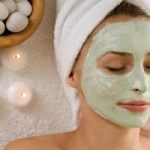
facial mask with candles and stones

Will I break out after a facial?

Breakouts rarely occur unless your skin is congested with blackheads or whiteheads underneath your skin. If this is the circumstance, you might experience some breakouts, but be assured they won’t last for long.

How often should I have a facial?

We recommend a facial every 4-6 weeks, by means of this frequency we monitor your skin throughout the seasons and help you maintain a healthy and glowing complexion. However, if you are experiencing over stress or menopause your skin can be unpredictable and breakout; your esthetician may recommend more frequent visits until the problem is under control.

At what age should I start receiving regular facials?

Your 20’s to early 30’s are ideal unless you began to experience breakouts at an earlier age. We believe in early skin care education as many teenagers suffer from problem skin that is best addressed early on, having a visit to an esthetician can help treat and correct the problem.

Are scrubs bad for my skin?

Some can be, especially shell type particles like almond or apricot kernels scrubs which contain jagged edges and can harm the skin. Most professional exfoliators contain perfect round spheres that will exfoliate your skin without any harm.

Is there anything I can do to help my brown spots?

Hyper-pigmentation can occur after sun exposure, pregnancy or taking birth control pills. Yes, there are many treatments available like peels, micro-dermabrasion along with home care programs that will help lighten your pigmentation.

What’s the best way to prolong my facial?

We recommend being diligent with your home care program like cleansing, exfoliating, moisturizing and protecting. This will help your skin function properly and look its absolute best.

What to expect after your massage

after massage woman shoulder massaged

What to expect after the massage:

• No matter if you have a 30, 60 or 90 minute massage… Take your time getting off the table. Immediately after the massage you may feel light headed or dizzy.  We have water available after your massage to help you rehydrate. Please feel free to sit for a few minutes to reconnect and ground yourself before leaving.

• Look forward to a feeling of relaxation and rejuvenation.

•You may feel more energy, focus, greater productivity, heightened awareness of your body and self.

•Possible soreness may be there. If it lasts longer than 1-2 days, please let us know at the next appointment so we can adjust the massage accordingly.

•Increase in circulation, range of motion, mobility, and ability to sleep. All wonderful things.

•Decrease in stress, pain, stiffness, and tension, thankfully!

Plus, check out these simple post-massage self care recommendations:

•Ice any areas that are sore or uncomfortable for 15-20 minutes 2 or more hours apart. Ideally use a bag of ice or an ice pack, not frozen vegetables. Make sure there is a barrier between your skin and the ice (a pillow case or kitchen towel work great!).

•Drink 2-3 more glasses of water than you normally drink in a day. Water is key to flush all the toxins out of your body that get loosened up by the massage. A key benefit!

•Go for a calming walk.

•Stretch before you go to bed and when you wake up to get the circulation going and keep muscles loose.

•And always call your massage therapist if you have any questions or concerns.

Esthetics FAQs

woman's face with towel being massaged

What Is Microdermabrasion?
Microdermabrasion, also known as microderm, is one of the easiest and most effective anti-aging treatments you can get. Its benefits are many: microderm softens fine lines and wrinkles, helps to smooth coarsely textured skin, decreases the appearance of scarring, and reduces superficial hyper-pigmentation, also known as age spots.

Microdermabrasion also makes it easier for high-tech skin care products to penetrate into the deeper layers of the skin and help build collagen, which gives skin its youthful appearance.

How does Microdermabrasion work?

Microderm works by removing the uppermost layer of dead skin cells from the face, chest and hands. True microdermabrasion is usually done in a day spa, medical spa or specialized skin care studio. It gives results you can’t achieve with a home microdermabrasion kit, which is basically a scrub for the face that is often too abrasive and can even irritate skin.

What is a facial?

A facial is a procedure involving a variety of skin treatments, including: steam, exfoliation, extraction, creams, lotions, facial masks, peels, and massage.

What is a lactic acid peel?

Lactic acid peels are just one type of chemical peel, but they are preferred by many — again, because of lactic acid’s reputation as a gentler alpha hydroxy acid (an organic acid containing a hydroxyl group bonded to the carbon atom adjacent to the carboxylic acid group. A number of such compounds are used in skin-care preparations for their exfoliating properties). You can use peels to improve wrinkles, some types of acne and discolorations on your skin. Lactic acid isn’t a cure-all — it won’t suddenly remove your deepest wrinkles, and it can’t stop you from aging. But over time, it can smooth the tone and condition of your face and reduce or remove mild marks and scars

How does waxing work?

Waxing is a form of semi-permanent hair removal which removes the hair from the root. New hair will not grow back in the previously waxed area for four to six weeks, although some people will start to see regrowth in only a week due to some of their hair being on a different growth cycle. Almost any area of the body can be waxed, including eyebrows, face, pubic area (called bikini waxing), legs, arms, back, abdomen and feet. There are many types of waxing suitable for removing unwanted hair.

What kind of wax do you use?

Strip waxing (soft wax) is accomplished by spreading a wax thinly over the skin. A cloth or paper strip is applied and pressed firmly, adhering the strip to the wax and the wax to the skin. The strip is then quickly ripped against the direction of hair growth, as parallel as possible to the skin to avoid trauma to the skin (i.e, bruising, broken capillaries, ingrown hairs caused by hair follicle trauma and lifting of skin). This removes the wax along with the hair.

What are the benefits of waxing?

There are many benefits to waxing versus other forms of hair removal. It is an effective method to remove large amounts of hair at one time. It is a long-lasting method. Hair in waxed areas will not grow back for two to eight weeks. When hair is shaved or removed by depilatory cream, the hair is removed at the surface rather than the root. Within a few days, the hair can be seen at the surface. With these methods, hair tends to grow back in a rough stubble. Areas that are repeatedly waxed over long periods of time often exhibit regrowth that is softer.

What are the drawbacks of waxing?

Waxing can be painful when the strip is removed from the skin. Although the pain is not long-lasting, it can be intense, particularly in sensitive areas. Another drawback to waxing is the expense: waxing is usually performed by a licensed esthetician, and in some cases the cost can be high, depending on the area waxed and the number of sittings required. There are do-it-yourself waxing supplies, but they may be difficult to use on oneself on some areas on the body.

The Importance of Massage for Dancers

dancers man and woman

Dance can be an extremely physically demanding activity; training, rehearsals, and performances are physically intensive. Also all our daily activities put our body through stresses; sitting for long periods, driving or working on computer creates tension in the body and physical activities such as running or going to the gym can be physically demanding. Every day life stresses, emotions mental stress all affect our physical self.

The demand for sports massage and other massage therapies are increasing and becoming more recognized as a skill that enhances our overall well being. Due to intensive training, hectic schedules and stresses of every day life we are more prone to overworking our bodies and may suffer from muscle imbalances and overuse injuries. Physical tension in our body can have a negative affect on our mental and emotional well being so releasing excessive tension can enhance our mental health and promote relaxation and a sense of calm.

Overuse Injuries in Dance
Overuse injuries occur because muscles are worked hard during training, rehearsal or performance and are not rested fully. In the next class, rehearsal or performance the muscles are not fully recovered from the last session. It is as important to have a high quality recovery practice to maintain well-being and enhance your true potential. Overuse is the most common cause of muscular imbalances and injury in dance. If these are not noticed early on they can impair performance or worse can lead to chronic injures. See the dance Injuries article for more information.

Recovery From Physical Activity
Instinctively the body heals itself it performs the recovery process through circulation of the blood flushing out waste products that build up in the muscles during intense physical activity. It provides nutrients and repairs any tissue damage however this process takes time and a rest period is necessary. Dancers’ schedule often makes this required rest period very difficult to achieve. Massage is a safe and effective method of speeding up the recovery process.

Benefits of Massage for Dancers:

Massage aids and speed up the body’s natural recovery process
Massage helps prevent injury
Massage enhances performance by releasing muscular tension
Massage aid the healing process with minor soft tissue injuries

Massage can be an integral element to a dancers training or work schedule. If the dancer of company can budget for it, massage sessions by a qualified therapist can be programmed into training, rehearsal and performance schedule. However understanding time and money restraints dancers’ face I suggest learning and practicing simple self massage techniques as this can benefit dancers greatly.

Why Self-Massage for Dancers
Massage is extremely effective for releasing muscle tension and restoring balance to the musculoskeletal system. Regular massage may help prevent injuries as a constant build-up of tension in the muscles from regular activity may lead to stresses on joints, ligaments, tendons, as well as the muscles themselves. Self massage improves they way you feel and enhances your performance, simple self massage techniques can help aid recovery and release muscular tension.

Written by Laura Stanyer – Originally Posted at http://laurastanyer.blogspot.com/2011/07/importance-of-massage-for-dancers.html.

Enlarged Pores Arent Potholes – Quit Trying to Fill Them!

Womans-face-hands-giving-facial

Move over BB cream – there’s a new fad sweeping countertops, and it’s here to clog your pores! More women are adding “pore fillers” to their daily skincare agenda, hoping to blur or erase pores from their complexion completely. However, much like BB creams, you can file these under “unnecessary skincare”.

While you might envision pores as tiny potholes that a small “fill” can fix, you’ll only be creating a bigger problem – a bigger pore! Here’s why: Your pores are responsible for oil production – they help produce the protective hydrolipidic barrier your skin needs to stay healthy and balanced.

Some people owe their large pores to genetics – they inherited an oily skin type, so they have larger pores to accommodate more oil production. Others acquired larger pores as a result of prolonged congestion. Once a buildup of dirt, oil, and dead skin has stretched a pore, there’s no way to shrink it back to its original size.

While the reason behind having larger pores can vary from person to person, it’s physiologically impossible to close your pores –  there aren’t muscles to make them expand or contract. All you can do is minimize their appearance, and filling pores with a product that promises to blur, erase, or make them disappear altogether is the exact opposite of what should be done to help make them look smaller! “Fillers” only add more dirt, debris, and oil to your skin, making your pore problem worse.

The best way to minimize pore appearance is to ensure they are clear of product and dirt. Here’s your 4-step at-home agenda for tiny-looking pores:

  1. Cleanse – Give pores a deep clean with a cleanser that’s appropriate for your skin type. Doing so will ensure your skin is clear of any debris that can clog pores, and emphasize their appearance.
  2. Exfoliate – Your skin naturally sheds dead skin cells, completely regenerating once every 30 days. As you age, this process slows, and can lead to clogged pores – an issue that will not only make pores appear larger, but also stretch them so they actually are larger! Rev up your skin’s natural exfoliation process and uncover a more radiant complexion with a leave-on exfoliator like Quick Refiner or manual microdermabrasion like Pumice Peel. Both will keep pores clear.
  3. Treat – For stubborn pores, don’t rely on skin-damaging pore strips to remove impurities. Instead, reach for a clay-based facial mask with balancing plant extracts that acts as a vacuum to draw out pore-clogging debris and replenish hydration. For a deep pore purge, apply a stimulating, exfoliating mask 7 days in a row to eliminate impurities.
  4. Control – Keep pores clear throughout the day by balancing oil production at the source and absorbing excess oil at your skin’s surface with an oil control mattifier.

Stop treating your pores like potholes, filling them with products that claim to make them vanish – it’s impossible! Remember: if a miracle product that promises vanishing pores sounds too good to be true, it probably is.

The Power Of Massage For Those Suffering From Fibromyalgia

fibromyalgia man neck massaged

Can Massage help with your Fibromaylgia Pain? There is a good chance that it could!


Pain can make it difficult to enjoy everyday activities, but for fibromyalgia patients, pain can be constant, interfering with sleep, work and daily tasks. According to the American Chronic Pain Association, fibromyalgia affects more than 6 million Americans. The origins of this disorder are still relatively unknown. Though there is no cure, massage therapy may be one way to make life a little easier for people with fibromyalgia. In 2010, Adelaida Maria Castro-Sánchez led scientists from the University of Almería in Almería, Spain, to consider the effects of myofascial therapy on pain, anxiety, quality of sleep, depression and quality of life in fibromyalgia patients. Using a randomized-controlled study, researchers assigned 64 fibromyalgia patients to receive one of two types of therapy treatments over the course of 20 weeks. The experimental group received myofascial release therapy for 90 minutes once a week. The control group received a therapy that used a disconnected magnetic therapy machine for 30 minutes once a week. Their pain was assessed at baseline and at the end of the 20-week period, and then again at one and six months following the study’s completion. Researchers found the experimental group experienced significantly improved anxiety, sleep, pain and quality of life–both imediately following the treatment and up to one month after. The control group did not reap any of these benefits. The six-month follow ups, however, showed that improvements in sleep were the only difference between the two treatment groups. A similar study held by Castro-Sanchez in 2011 further examined how Fibromyalgia patients respond to massage therapy and found reductions in sensitivity to their pain. Additionally, these results showed many improvements that lasted as one year after the studies completion.

Massage + Depression

depression man's hands to head

By Michelle Vallet, May 28, 2014

We’ve all had days where we feel sad or blue. Nobody can be happy all of the time, and changes in mood, feelings of sadness sometimes, are perfectly normal. For some people, however, these feelings are more persistent and severe, interfering with everyday activities, lowering energy levels and interrupting sleep, for example. When these feelings begin to take over and noticeably change a person’s quality of life, seeing a mental health professional—and getting a depression diagnosis—can be the first step in getting the help they need.

For many who suffer, the solution most talked about is psychotherapy, where a person sees a trained mental health professional to talk (and perhaps be prescribed medication). But that approach doesn’t always work equally well for everyone. Now, people are also beginning to better understand how a combination of treatment options can be beneficial, and massage therapy is showing some promise in helping people better handle this condition.

Defining Depression

Perhaps one of the most difficult things about depression when talking about ways to help people who suffer is that arriving at a simple, straightforward definition of depression is next to impossible. Depression, unlike some other medical conditions, is seemingly fluid in nature, meaning the cause(s) and how symptoms manifest are often unique to the individual and can be a secondary complaint of another primary health condition, such as Alzheimer’s, for example, or other mental health issues. In other words, my depression isn’t your depression isn’t someone else’s depression.

That’s not to suggest, however, that there aren’t guidelines around diagnosing depression. Some people might think that depression is simply someone who is sad, but there’s a lot more to this condition than simply feeling down. Yes, sadness and unhappiness are definitely indicators of depression but, according to the Mayo Clinic, so are anger and irritability, loss of interest in activities that were once enjoyable, sleep disturbances, changes in appetite, cognitive problems, as well as physical pain, such as back pain or headaches.

There can also be different types of depression. For example, some women experience depression both during pregnancy and after delivery, while other people may be affected seasonally or have anxiety that accompanies the depression.

Massage

The Benefits of Massage

When you ask exactly how massage therapy works to benefit people with depression, the most accurate answer is “we don’t yet know.” But that’s not to say the benefitsaren’t real, and some, like Christopher Moyer, PhD and assistant professor of psychology at the University ofWisconsin–Stout, posit that massage therapy may work in similar ways as psychotherapy. “The size and effect of massage therapy on trait anxiety and depression is virtually the same as that routinely found in the research studies of psychotherapy for those same conditions,” he explains. “Typically, both take place in a private setting and are based on a ‘50-minute hour’ for the length of the session. Repeated sessions on a weekly schedule—orsimilar—would be a traditional or common pattern when the goal is long-term reduction of anxiety or depression.”

The other striking similarity is that both are dependent on an interpersonal relationship founded on trust. “Some psychotherapy researchers think that the existence of the trustingrelationship—sometimes referred to as the therapeutic bond, or as the working alliance—isthe most important component of psychotherapy’s effectiveness,” Moyer says. “And the same may also be true for massage therapy, though this is something that needs to be researched.”

Remember, too, that depression isn’t just mental health issues—some of the symptoms manifest physically, too. “Depression is considered a mental illness, but one feels it in the body as well, a sense of heaviness in the corporeal,” says Alice Sanvito, a massage therapist and owner of Massage-St. Louis in St. Louis, Missouri. “The physical experience of massage can change the physical sensation of heaviness to something lighter and can restore the feeling of living in one’s body again instead of being lost in one’s head.”

Moyer suggests something similar. “It’s tempting to say that yes, psychotherapy ought to have the greater potential to help because it ought to provide the person with skills and insight that reduce anxiety and depression, and that help the person avoid them in the future,” he explains. “And who is to say that massage therapy doesn’t do something similar to that? It’s possible that receiving massage therapy gives a person a kind of insight, in that it reeducates the person as to how their body and mind ought to feel when they are relaxed, healthy, less anxious and less depressed.”

There’s also the potential that—similar to chronic pain—some of the value of massage therapy for people with depression comes from interrupting the pattern of symptoms on a regular basis. “Each time one interrupts the pattern and experiences calm, it’s easier to remember what it’s like to live in a more normal state, gives one hope that it is possible,”Sanvito suggests.

The problem, however, is defining what regular means. Although research seems to suggest that more than one massage therapy session is more beneficial for people dealing with depression, beyond that, the information available gets fuzzier. “We do not yet have clear information on how many sessions of massage therapy, or in what pattern or frequency, are optimal or necessary,” Moyer explains. “Weekly sessions would be a good place to start. Then, depending on the response to treatment, that schedule could be adjusted as deemed necessary.

What You Need to Know

The constant in all of this is that there is no constant, meaning that massage therapists working with clients who suffer from depression need to educate themselves about the condition. In fact, Moyer believes all massage therapists should have some familiarity with both anxiety and depressive disorders because both are so common today.

Assess. Although an argument could be made that things are changing—you see more commercials dealing with mental health conditions, for example—the reality for many of these people is that mental health issues may carry a stigma. So, massage therapists can’tassume that clients who might be suffering from depression are going to offer this information up themselves. Some people, too, might not be aware they’re suffering from this disorder, so being aware of how depression can affect a person—as well as what some of the major symptoms are—may be helpful.

Obviously, you need to stay within your scope of practice, but that doesn’t mean you can’t—or shouldn’t—look for indications that current and potential clients might be dealing with depression.

Intake. Going hand in hand with assessment are your intake policies. Again, some clientsaren’t going to tell you they are being treated for depression, so being proactive about asking them is a good idea. Similar to how you ask for other health information during the intake process, you can ask clients if they’ve been feeling anxious or depressed. Or, add questions about feelings of depression to the intake form clients complete before a massage session.

As with assessment, you need to make sure you are staying within your scope of practice. “When I suggest that massage therapists should inquire about anxiety and depression as part of intake assessment, I am not suggesting that they change their practice or conduct themselves more like a social worker, psychologist or psychiatrist,” says Moyer. “Rather, I am highlighting how intake assessment is an unrivaled opportunity to gather information that can be helpful to clients.”

Be realistic. You also need to understand what massage therapy both can and cannot offer. Particularly if you have clients who are specifically seeing you for help dealing with depression, you need to be realistic about results. “Massage is not a magic bullet to relieve depression,” Sanvito says, “but having a temporary break in the sense of physical and emotional heaviness one feels is a great relief.”

The key here is to remember that these clients are most likely seeing other health care professionals for treatment, and so massage therapy is one approach your clients might be using to handle the symptoms of this disorder. “It should also be noted that massage therapy should not be used as a stand-alone treatment in serious cases, at least not at present,”Moyer cautions. “Medication and psychotherapy both have a much larger and stronger evidence base supporting their effectiveness. For serious cases, massage therapy should probably only be used as an additional treatment.”

Keep current on research. Although definitive research on how massage therapy works for clients who are dealing with depression is limited, staying current on what is available is imperative. Remember, too, that although we might not know exactly how massage therapy works, there are some strong studies available today that illustrate massage therapy can be useful in helping reduce feelings of depression.

Network with mental health professionals. In order to effectively work with clients who are suffering from depression, being networked to other health care professionals they may see for treatment is a good idea. “Such interprofessional relationships allow clients to be referred when needed, and also open up the possibility for coordinated care,” explainsMoyer. “It is an exciting possibility that anxiety and depression might be able to be treated most effectively, at least in some cases, when a client is receiving psychotherapy from a mental health expert and also receiving massage therapy from a massage therapist.”

When looking to build relationships with mental health professionals, remember that you need to be armed with up-to-date information on the ways in which massage therapy can benefit their patients, as well as have a basic understanding of depression. Again, a solid understanding of research is going to be imperative, and don’t let the limited number of studies on the subject deter you from reaching out. “I suspect there are many mental health professionals who would welcome the opportunity to learn more about the effectiveness of massage therapy,” Moyer says, “and to have another treatment option for their patients to add to other well-established treatments.”

As we continue to learn more about depression, the ways in which this condition can be treated are also expanding—and massage therapy is showing some real promise in being a good addition to the already existing treatment options.

Originally published here: http://www.amtamassage.org/articles/3/MTJ/detail/2942

What To Expect After a Brazilian Wax

woman on a beach putting suncreen on and smiling

If you’ve never had a Brazilian wax, you may be tentative because you don’t know what to expect afterward. Or maybe you’d like some suggestions to make the aftermath a bit easier. While most women experience only mild redness or irritation, there are some other problems that may occur.

The bikini area skin is naturally very sensitive. Waxing is putting a very hot material on this already sensitive spot and abrasively removing hair from the root. So for newbies and veterans alike, here are some ways you can help minimize the negative after-effects.

Things to Avoid After a Brazilian Wax to Reduce Irritation

Sun

First, stay out of the sun after the waxing. The area is extremely sensitive to sun exposure, often leading to hyperpigmentation or the darkening of the skin pigment. After the first 24 hours, make sure the area is protected by sunscreen. Sun protection designed for babies or specifically for the face is ideal.

Heat Moisture

Next, avoid excess heat moisture to the area for the first 48 hours. What this means is staying away from saunas, steam rooms, whirlpools, or hot tubs that can irritate the vulnerable skin. A hot shower is fine, what we’re talking about here is something that is trapping hot water or heavy moisture against the skin for an extended period of time.

Heavy Exercise

Related to the heat moisture, sweat can irritate the freshly waxed skin and should be avoided for the first 24 hours. Likewise, any repetitive exercise that would cause rubbing of the area against either clothing or itself can result in irritation and possibly broken skin that may lead to infection. Gotta throw sex into this category as well. Avoid positions that involve rubbing, or convince your partner to take a 24-hour break. (maybe have it done on a Sunday so he’s too busy watching football!)

Tight Clothing

As mentioned above, if the skin is sensitive, allow the area to be free of tight clothing or materials so there is no irritation from the fibers or your own movements.

Exfoliating Scrubs or Cleansers

Ouch! The skin already has been exfoliated to the max with the wax, so give it a day or two to cool down before you use any exfoliating scrubs or cleansers.

Brazilian Wax Discomfort Remedies

You tried those hints but you still have problems? Try the following.

Irritation

Baby powder lightly tapped on will soothe irritated skin. Don’t use baby oil as it could clog the pores. Likewise moisturizing creams. However, avoid baby powder if you have any actual broken skin. You don’t want anything getting into an open wound.

Pain

Waxing is never without pain, but if yours isn’t subsiding, try pain relievers like ibuprofen. For immediate results, and while in the comfort of your own home, try sitting in a cool bath or using ice cubes in a washcloth on the area. Pat dry with a soft cloth.

Rash or Broken Skin

Accidents can happen, leading to broken skin with a little bit of blood, or a rash may develop. Keep the area clean and use Polysporin once a day for 3 days. Do not use Neosporin, it contains neomycin that can be harsh or cause allergic reactions. The rash shouldn’t last more than a week and you should see normal healing.

Ingrown Hairs

A good esthetician will hunt down and remove any ingrown hairs at the time of treatment, but some may result afterward. After your 24-hour hiatus from exfoliating, resume exfoliating the area to ensure oils and skin don’t build up and result in future ingrown hairs. You can also use acne wash pads. A quick pass of the bikini area with acne medicated pads will help prevent ingrown hairs!

Don’t try this at home!

Your best bet for a positive bikini waxing experience is to see a licensed esthetician. Not only does their training ensure you experience the least amount of pain, but you’ll be in a clean, safe environment where the procedure is done right.

A bikini wax is a great way to remove unwanted hair and give you a clean, smooth look.

Massage can do that?

maan's shoulders massage can do that

What You Might Not Know About How Massage Can Help You

By Rebecca Jones – Originally posted at http://www.abmp.com/textonlymags/article.php?article=605

You know all about the relaxation benefits of massage—there’s no better tonic for tired muscles or flagging spirits. But you may not know about some of the other amazing benefits of massage, especially when it’s a regular regimen. It has a lot of positive payoffs you may never have thought about.

Massage Can Make You a More Productive Worker

Researchers have found that massage tends to lower the body’s production of cortisol, a stress hormone that suppresses the immune system. Block cortisol and the body’s so-called “natural killer cells” are freer to attack any incoming germs before they can establish a beachhead in your body. Along with a health-saving regimen of hand washing and preventive care, regular massage can go a long way toward keeping you sniffle-free. And fewer colds mean fewer sick days, which means you can get more done.

Massage Can Make You a Better automobile Driver

Your driver’s ed teacher was right: never, ever change lanes without looking both in the rearview mirror and physically looking over your shoulder. Yes, twist and turn that neck for safety’s sake. Most rearview mirrors have a blind spot, and countless accidents occur every year when drivers unknowingly move into the path of another car. One study from the United Kingdom found that the number of crashes caused by blind spots rose 50 percent between 2009 and 2011, probably because of a thickening of the metal structures between the front and back windows in an effort to make cars structurally safer. It makes the cars safer, but it also makes the blind spots larger.

Now think about what happens when a stiff neck makes turning your head painful. Fortunately, a massage can improve blood flow to the stiff area and will provide the nutrients needed for quick recovery. Your neck will feel better, and you’ll drive more safely as a result.

Massage and weight loss

Massage Can Help You Lose Weight

Starting an exercise regimen takes mental discipline, but it also takes a willingness to endure some pain. That’s because after any strenuous workout, muscles get inflamed, and that leads to soreness. Suffering through a bout of aching arms, calves, shoulders, and thighs might just drive the faint of heart back to the couch.

Researchers at the Buck Institute for Research on Aging in California and the  McMaster University in Hamilton, Ontario, recently studied men’s muscles after they exercised on stationary bicycles. They found that when the men had their legs massaged after a workout, they suffered less soreness the next day. The reason: massage seems to inhibit the activity of cytokines, which are proteins that cause inflammation, while it promotes the growth of mitochondria, which produce energy in the cells.

Less soreness means fewer excuses to skip a workout, which can help you stick to your exercise routine and see the results you seek.

Massage Can Make You a Better Dancer … Or Tennis Player … Or Golfer

The reason has to do with proprioception—the body’s innate sense of the relative position of all its parts. Police conducting field sobriety tests may ask drivers they suspect of being under the influence of alcohol to close their eyes and touch their nose. People with normal proprioception can usually do this pretty accurately. Those who’ve had too much to drink cannot, because alcohol impairs proprioception.

Some massage therapists are trained in an advanced form of flexibility therapy called proprioceptive neuromuscular facilitation (PNF), which can help clients learn safer, more natural ways to move their bodies. But even basic massage techniques have been shown to improve the mind-muscle link, therefore increasing an individual’s fine and gross motor control. Massage alone won’t earn you a spot on Dancing with the Stars, but it can help you be more adept and ditch your two left feet.

Massage Can Make Food Taste Better

OK, it won’t technically make the food taste any different, but it certainly can improve your digestion. Who relishes a feast when it’s followed by indigestion and a bloated feeling?

Massage has been shown to encourage the release of enzymes that break down food once it’s been consumed. This not only makes digestion easier, but also increases the absorption of nutrients. Massage also encourages the release of antioxidants, which neutralize acids in the stomach. Finally, it increases peristalsis, the involuntary contraction of the muscles that moves food through the intestines, reducing the chance of constipation.

If you’re prone to indigestion or abdominal discomfort, tell your massage therapist. He or she may know specific massage techniques that can be especially beneficial to you.

Massage Can Lower Blood Pressure

Massage cannot magically unclog narrowed arteries or reverse cardiovascular disease, but it can help relieve stress, and managing stress is an important step in controlling blood pressure.

A number of studies point to the ability of gentle, relaxing Swedish massage to lower blood pressure. For instance, a 2011 Iranian study looked at 75 prehypertensive women. Some of the women received 10–15 minutes of Swedish massage three times a week for 10 sessions, while those in the control group did not. Based on the results, investigators concluded “massage therapy was a safe, effective, applicable, and cost-effective intervention.”

In 2010, researchers from Dillard University in Louisiana wondered whether therapeutic chair massage and instruction in diaphragmatic breathing might help lower blood pressure in African-American women. This is an especially at-risk group, with an estimated 44 percent suffering from hypertension, according to the American Heart Association. The study found decreased systolic blood pressure levels in these women for a week following a massage.

Warning: not all massage is likely to lower blood pressure. Some types, such as trigger point or sports massage, may actually increase blood pressure. If you have high blood pressure, talk to your doctor about how massage can fit into your overall wellness strategy.

Massage Can Make You smile

You probably leave each massage session with a smile on your face, but you may be surprised to learn just how long it can last. Evidence suggests that massage therapy can relieve symptoms of depression, and, in turn, perhaps coax a grin during tough times.

In 2010, Taiwanese researchers investigated randomized controlled trials of massage therapy in depressed patients. Based on the results, they concluded that massage therapy has “potentially significant effects” in alleviating depression. The findings, reported in the Journal of Clinical Psychology, indicate that the improved emotional mood brought on by massage might be due to stress reduction and relaxation, by bonding between therapist and client, or possibly by promoting the release of oxytocin, a hormone noted for its ability to induce feelings of optimism and increased self-esteem.

More study is needed to determine just why massage seems to be such an effective antidepressant, but this much is clear: massage can put a smile on your face, and that’s better than a frown any day.

Rebecca Jones is a Denver-area freelancer and frequent Body Sense contributor. Contact her at killarneyrose@comcast.net.

PRECISION WELLNESS

Therapeutic Massage, Esthetics and Yoga

Precision Wellness Logo

Services as unique as you are