Beating the Winter Blues

Woman-lying-on-a-massage-table-with-a-wintry-scene-viewable-through-a-window-behind-her

Beating the winter blues can be as simple as booking an appointment with your massage therapist.

Massage is good medicine—capable of alleviating stress, easing lower back pain, and reducing tension headaches.

Three ways massage can raise spirits as the thermometer drops

1. Alleviate Holiday Stress—Don’t let your to-do list ruin the most wonderful time of the year. Massage therapy has been shown to help address stress and anxiety while simultaneously addressing some of their physical repercussions.

2. Relieve Lower Back Pain—Whether back pain stems from holiday travel or shoveling snow, research has shown that massage therapy provides superior functional outcomes and symptom improvement over those who do not utilize massage.

3. Ease a Headache—Tension headaches aren’t on anyone’s wish list. Research indicates that those who receive massage therapy experience a decrease in the physical pain as well as the emotional distress associated with the headache.

The Elderly and Massage

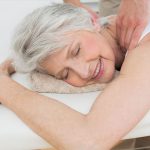
older-woman-getting-a-massage

Massage for the elderly has various physical and mental benefits, which results in the improvement of health and general well-being. The techniques used for senior citizens differ greatly from those used with younger individuals so massage therapists strive to understand those differences in order to better treat their patients.

The National Certification Board for Therapeutic Massage and Bodywork has been at the forefront of the promotion of massage for the elderly for many years. The board promotes massage as a treatment for the management and prevention of age-related diseases and views it as a good alternative to less natural pharmaceutical treatments. With regular massage, the quality of life is greatly increased, allowing the older patients to feel younger, healthier, and balanced.

Massage for the elderly involves gentle stroking, kneading, and the application of light pressure on specific points. Studies by the Touch Research Institute show that massage facilitates communication and relaxation, and is, therefore, effective therapy in the treatment of Alzheimer’s patients. The manipulation of specific points on the body has also been shown to promote the natural lubrication of joints, greatly assisting in the pain management of patients suffering from the stiffness of arthritis.

Therapists administering massage for senior citizens are also trained to incorporate stretching in the massage session. The specific stretching technique involves the application of just enough pressure on the joints, soft tissue, and muscles to make the massage safe for an older individual while still retaining its efficacy. Patients greatly benefit from massage by gaining an increased range of motion, strengthening of muscles while reducing tension, and a higher quality night’s sleep. Those who undergo regular massage have reported sleeping deeper and for longer, which allows the body time to regenerate and repair itself, resulting in an overall state of greater well-being. Massage also improves posture and reduces tension that accumulates in the muscles over many years. This not only assists seniors in obtaining higher quality rest but also helps them avoid and manage painful age-related conditions, such as degenerative disc disorder and spinal stenosis.

Studies have shown that the effects of aging take place faster in people lacking mental stimulation and who engage in little physical activity. Further studies have shown a link between a reduction in physical activity to an increase in depression, which leads to many age-related diseases and conditions. Due to the connection between the physical and mental, any treatment for the aged should aid in improving the balance between the two. By manipulating the body and stimulating the mind, massage provides the perfect balance needed for an individual’s health to thrive.

Prepare for a Deep Tissue Massage

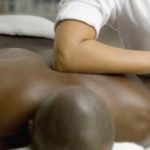
A deep tissue massage near Branson, MO is being performed at Precision Wellness as the therapist's elbow is applying soothing pressure and massaging a black man's back

How Do I Prepare For a Deep Tissue Massage?

A deep tissue massage varies greatly from a Swedish or sports massage. While the goal of a Swedish massage is to use long strokes to relax you, a deep tissue massage uses forceful, deep strokes to work deeper muscles and connective tissues. The goals of deep tissue massage are to target deep muscles and break up knots, improve muscle positions, and release built-up toxins.

Step 1

Do research to find a good massage therapist. Call massage businesses in your area to inquire about a the credentials of their staff. In addition to a certificate and license to practice massage, ask about how long the individual has been performing massage services. You could also ask your doctor to recommend a therapist.

Step 2

Prepare relevant health information for the therapist. A deep tissue massage can be somewhat uncomfortable. If you have any pain in your body or injuries, this is information the therapist will need to know. Preparing the information ahead of time will ensure you do not forget anything when you are at your appointment. You may also choose to include information pertaining to any allergies you have or preferences on aromatherapy scents.

Step 3

Drink water. Deep tissue massages are designed to break up knots and adjust your muscles. They also release toxins from the muscles, which might make you feel fatigued or nauseated after a massage. Staying well hydrated by drinking water before and after the massage will help alleviate these symptom

Step 4

Take a warm shower before the massage to loosen up your muscles and help put you in a relaxed state. A fresh, clean body will also make the experience more pleasant for your massage therapist.

Step 5

Wear loose, comfortable clothing to the massage appointment. This will help you continue to feel relaxed and make the process of undressing easier. You may also feel sore or tender following the massage, so loose clothing will be more comfortable to wear.

Warnings

  • Generally, massages are safe if performed by a trained professional massage therapist. However, if you have unexplained pain, cancer, blood clots, fractures, arthritis, or osteoporosis, consult a doctor before receiving a massage. Also, check with your doctor if you are pregnant or nursing.

Get In Touch With Massage

man's shoulder massaged next to stones

Massage is no longer available only through luxury spas and upscale health clubs. Today, massage therapy is offered in businesses, clinics, hospitals and even airports. If you’ve never tried massage, learn about its possible health benefits and what to expect during a massage therapy session.

What is massage?

Massage is a general term for pressing, rubbing and manipulating your skin, muscles, tendons and ligaments. Massage therapists typically use their hands and fingers for massage, but may also use their forearms, elbows and even feet. Massage may range from light stroking to deep pressure.

There are many different types of massage, including these common types:

  • Swedish massage. This is a gentle form of massage that uses long strokes, kneading, deep circular movements, vibration and tapping to help relax and energize you.
  • Deep massage. This massage technique uses slower, more-forceful strokes to target the deeper layers of muscle and connective tissue, commonly to help with muscle damage from injuries.
  • Sports massage. This is similar to Swedish massage, but it’s geared toward people involved in sport activities to help prevent or treat injuries.
  • Trigger point massage. This massage focuses on areas of tight muscle fibers that can form in your muscles after injuries or overuse.

Benefits of massage

Massage is generally considered part of complementary and alternative medicine. It’s increasingly being offered along with standard treatment for a wide range of medical conditions and situations.

Studies of the benefits of massage demonstrate that it is an effective treatment for reducing stress, pain and muscle tension.

While more research is needed to confirm the benefits of massage, some studies have found massage may also be helpful for:

  • Anxiety
  • Digestive disorders
  • Fibromyalgia
  • Headaches
  • Insomnia related to stress
  • Myofascial pain syndrome
  • Paresthesias and nerve pain
  • Soft tissue strains or injuries
  • Sports injuries
  • Temporomandibular joint pain

Beyond the benefits for specific conditions or diseases, some people enjoy massage because it often involves caring, comfort, a sense of empowerment and creating deep connections with their massage therapist.

Despite its benefits, massage isn’t meant as a replacement for regular medical care. Let your doctor know you’re trying massage and be sure to follow any standard treatment plans you have.

Risks of massage

Most people can benefit from massage. However, massage may not be appropriate if you have:

  • Bleeding disorders or take blood-thinning medication
  • Burns, open or healing wounds
  • Deep vein thrombosis
  • Fractures
  • Severe osteoporosis
  • Severe thrombocytopenia

Discuss the pros and cons of massage with your doctor, especially if you are pregnant or have cancer or unexplained pain.

Some forms of massage can leave you feeling a bit sore the next day. But massage shouldn’t ordinarily be painful or uncomfortable. If any part of your massage doesn’t feel right or is painful, speak up right away. Most serious problems come from too much pressure during massage.

In rare circumstances, massage can cause:

  • Internal bleeding
  • Nerve damage
  • Temporary paralysis
  • Allergic reactions to massage oils or lotions

It’s My First Wax, Help! How To Prepare For Waxing

dripping wax

What To Expect From Your First Wax

In the last several years, waxing has become a common (and popular) service offered at salons and spas. Whether it’s the eyebrow, upper lip, armpit or, well, someplace more intimate, many people choose waxing for longer-lasting hair removal. But to those who’ve never done it (or who’ve done it once and had a bad experience), it can seem a bit daunting. If you’re thinking about giving waxing a try, get the inside scoop on everything from wax preparation and hair removal pain to what kind of results to expect, so you can be well prepared when it comes time to take it all off—your hair, that is.

How Do I Choose A Waxing Salon?

Research is key to ensure you choose the best spa near you before scheduling yourself a wax. Not unlike the bacterial risks associated with certain mani practices, some establishments have lax rules about waxing that can leave you irritated or worse, burned. First and foremost, make sure you go to a place with proper sterilization procedures. The technician should be licensed and she should not double-dip during the waxing session. If your waxer re-uses the same spatula to apply a new layer of wax, run! Double-dipping into the same hot pot of wax can introduce bacteria to the skin. Look for salons that have all-natural alternatives to synthetic wax (like us!). For first-timers or those with sensitive skin, all-natural waxes won’t incite an angry red, unwanted rash or reaction.

How Do I Prepare For A Wax?

If you’re worried about pain, take one or two Advil an hour before your appointment. It is also recommended that you use an exfoliating scrub the day before and advise not to apply body lotion the day of the wax. Also, for underarm waxing, use deodorant without antiperspirant because it comes off easier.

Skip Shaving For…A While

Let your hair grow to about a quarter of an inch before your appointment. If you’ve shaved recently, wait at least five days before scheduling your appointment, although it’s best to wait around a month. This allows the wax to grasp the hair and completely remove it from its follicle, so you’re left with super-smooth skin that last much longer than a couple of days.

Exfoliate Near Your Appointment Day

Do NOT exfoliate the day of your appointment, as this will cause your skin to be too sensitive and may increase the risk of damage. Please do not apply lotion before your appointment, as this can prevent the wax to properly adhering to your skin. Learn more about the Do’s and Dont’s of Waxing Prep.

Hydrate!

Drinking enough water and staying hydrated helps your skin be more pliable, minimizing discomfort and irritation during a wax. Hydrated skin allows your hair follicles to be removed easier and with less pain.

What to Expect From Your First Wax + Waxing FAQs

First, your waxer will clean and disinfect the area. After that, she’ll apply the wax and remove small areas of hair at a time. There are two different types of wax: soft wax is done with paper or muslin strips, and hard wax is removed without strips. In general, hard wax is used to remove hair in the bikini, underarm and face area, while soft wax is used on larger areas of the body such as the leg or armpit. Waxing takes time, so be patient, as your waxer may need to cut more strips or revisit areas. If the hair isn’t completely removed from its follicle, your waxer may have to wax again to ensure smooth, hair-free skin. After all hair has been removed, your practitioner will remove any wax residue and apply soothing cream.

How Long Will I Be Sore After A Wax?

Although the pain does subside as soon as the wax is over, the area can remain sensitive, which is why you should not use any scrubs for the next 48 hours and not to expose the area to direct sun for at least 24 hours. To treat redness or swelling, apply a small amount of cortisone cream from the drugstore.

Why Does Waxing Hurt?

Waxing is uncomfortable because the hair is being pulled all the way out. If the hair follice’s roots are not pulled out, the discomfort is minimal, but the results are also minimal. However, a wax shouldn’t be agonizing. When the waxer pulls off the strip, you should feel a quick tug, but nothing more. If it hurts or burns, address your concerns immediately.

What Do I Do After A Wax?

After the tenderness has subsided, exfoliate in the shower to remove dead skin so the pores don’t become clogged, causing ingrown hairs and bumps. If bumps do appear, don’t squeeze or tweeze! Ensure your waxer moisturizes the newly-hairless area afterwards, and apply lotion after your shower later on. And don’t forget your SPF!

2015 Massage Resolutions

rolled towel with oils and candle

Massage therapy has myriad health benefits that can help you stay on track with goals for the new year. Resolve to include massage therapy in your 2015 health regimen!

Reach Your Goals

1. Get active. From beginner atheletes to elite professionals, massage therapy has been shown to have major benefits, including enhanced performance, improved conditioning, faster recovery, injury prevention and assistance in maintaining peak fitness.

2.Sleep better. Inadequate sleep is associated with a number of medical conditions, and can negatively impact a person’s overall health. Some research sheding light on how massage therapy can be used to help people who have difficulty sleeping.

3.Manage stress. Stress takes a toll on your health and quality of life. Studies show that massage can reduce stress significantly on physical and psychological levels including decreased blood pressure and heart rate, as well as significant changes in emotional states.

4. Improve your overall health. Research shows massage therapy can play an important role in your health regimen. Pain management, increased immunity and stress reduction can positively affect your health and wellness.

Stress and Massage Therapy

stress blond woman back massage

Position Statement

It is the position of the American Massage Therapy Association (AMTA) that massage therapy can be effective for stress relief.

Background Information

Stress is a prevalent component in today’s fast-paced world which can negatively impact on an individual’s health and well-being. Massage therapy has been shown to be a means by which stress can be reduced significantly on physical and psychological levels. While massage therapists know from experience that massage reduces stress, there is considerable research that validates our experience.

In a study on the effect of trigger point therapy, there was a significant decrease in heart rate, systolic blood pressure, and diastolic blood pressure. Measures of oxygen consumption, blood pressure, and salivary cortisol levels were all lower after a 10 to 15 minute chair massage in controlled studies. Changes in psychological states have been measured by physiological responses, the Perceived Stress Scale, the POMS Depression Scale, and the Anxiety State Scale.

In the attached studies, all subjects in the massage group showed significant changes in emotional states and stress levels.

Dermabrasion and Microdermabrasion Facials

esthetician-using-an-extraction-tool-on-a-clients-forehead

Dermabrasion and Microdermabrasion

With dermabrasion, a dermatologist or plastic surgeon “sands” your skin with a special instrument. The procedure makes way for a new, smoother layer of skin to replace the skin that’s been treated.

Microdermabrasion uses tiny exfoliating crystals that are sprayed on the skin. It works best on problems such as dull skin, brown spots, and age spots.

When Is Dermabrasion or Microdermabrasion Used?

Dermabrasion was developed to improve acne scars, pox marks, and scars from accidents or disease. It’s not effective in treating congenital skin defects, most moles, pigmented birthmarks, or scars caused by burns.

Dermabrasion is generally only safe for people with fair skin. For people with darker skin, dermabrasion can result in scarring or discoloration.

Microdermabrasion works on all skin types and colors. It makes subtle changes, causing no skin color change or scarring. It is not effective for deeper problems such as scars, stretch marks, wrinkles, or deep acne scars.

With microdermabrasion, there is less downtime than with dermabrasion. Skin is temporarily pink but fully recovers within 24 hours. It doesn’t require surgery or anesthetics. That may help people who cannot take “down time” for healing.

Before You Get Dermabrasion or Microdermabrasion

You’ll consult with the professional who’s doing the procedure.

In a dermabrasion consultation, you’ll discuss your goals, the procedure’s risks and benefits, and the type of anesthesia that will be used. You’ll also get instructions to follow before and after dermabrasion and perhaps have “before” photos taken to compare with your results later.

With microdermabrasion, the consultation is similar but with less talk about anesthetics and risks because it is a simpler procedure.

How Does Dermabrasion and Microdermabrasion Work?

Dermabrasion is done in the doctor’s office. You may get medication to relax you before the procedure starts. Your skin will be thoroughly cleansed, and you’ll get shots of numbing medicine to anesthetize the area to be treated.

The doctor will use a high-speed instrument with an abrasive wheel or brush to remove the outer layers of your skin and improve any irregularities in your skin’s surface.

In microdermabrasion, tiny crystals are sprayed onto the skin to gently remove the outer layer of your skin. This technique is less aggressive than dermabrasion, so you don’t need numbing medicine. It is basically an exfoliation and skin rejuvenation procedure that leaves skin looking softer and brighter.

Getting The Most Out Of Your Massage

candles towels

Here are some of the top tips for getting the most out of your massage.

1. Be as receptive and open to the massage process as possible.

2. Don’t eat just before a massage session. Let your body digest your meal first.

3. Be on time. If you arrive in a frenzied, rushed state, it may take longer to relax.

4. Take off only as much clothing as you are comfortable removing. If you don’t want to remove your clothing, wear clothing that will be comfortable during the massage and will allow the massage therapist to touch and move the areas of your body you expect will need to be massaged.

Privacy – The therapist will either leave the room or otherwise provide privacy while you undress. A sheet or towel is provided for draping during the massage and the therapist will uncover only the part of your body being massaged, ensuring that modesty is respected at all times. After the massage is finished, you will be provided with privacy while dressing.

5. Communicate with your massage therapist

Before the session, give accurate health information and let the massage therapist know your expectations and reasons for the massage.

Allergies to Oils, Lotions, Powders – The therapist may use oil, lotion or powders to reduce friction on your skin. If you are allergic to any oils, lotions or powders, tell your massage therapist, who can choose a substitute.

Some massage therapists play recorded music during the massage session. Others find music distracting. If it’s provided, let your massage therapist know if you have any music preferences or if you would prefer they turn off the music.
Some people like to talk during a massage, while others remain silent. Tell your massage therapist what you prefer.

During the massage session, report any discomfort, whether it’s from the massage or due to any problems or distractions related to the environment, e.g., room temperature, music volume, lighting, etc.
Give feedback to the massage therapist during the massage on the amount of pressure, speed of hand movement, etc. If anything happens that you dislike or seems improper, you have the right to ask the massage therapist to stop. If necessary, you also have the right to end the session.
Don’t be afraid to discuss any apprehensions or concerns. It’s important that you be as comfortable as possible during your massage. Your massage therapist is a professional dedicated to do his or her best to help you feel at ease.
6. Remember to breathe normally. Breathing helps facilitate relaxation. People often stop or limit their breathing when they feel anxious or a sensitive area is massaged.

7. Relax your muscles and your mind. Tightening up by contracting or hardening your muscles during the massage is counterproductive. Let your massage therapist know this is happening. They may need to adjust the massage technique they use and may also be able to help you relax the affected area. If you find your thoughts are racing during the massage, one way to be more body-centered and to quiet your mind is to follow the hands of the massage therapist and focus on how the touch feels.

8. Drink extra water after your massage.

9. Don’t get up too quickly and do allow for some open, quiet time after your massage session. If you’re dizzy or light headed after the massage, do not get off the table too fast. It also may take a little time to integrate or absorb the results of the massage session.

10. Be prepared to schedule several massage sessions. Massage has its greatest benefits over time. The therapeutic effects of massage are cumulative, so the more often you get a massage, the better you will feel and the more quickly your body will respond. From one session to the next, relaxation deepens as the chronic patterns of stress in the body are affected and released. If you’re getting massage to address chronic muscular tension or recovery from a soft tissue injury, more than one session is usually needed.

Massage As Medicine

medicine man shoulders massaged

While massage may have developed a reputation as a decadent treat for people who love pampering, new studies are showing it has a wide variety of tangible health benefits.

Research over the past couple of years has found that massage therapy boosts immune function in women with breast cancer, improves symptoms in children with asthma, and increases grip strength in patients with carpal tunnel syndrome. Giving massages to the littlest patients, premature babies, helped in the crucial task of gaining weight. Is massage just for pampering or does it have true biological effects? A recent study showed muscles rebounded better if massaged after exercising to exhaustion.

The benefits go beyond feelings of relaxation and wellness that people may recognize after a massage. The American College of Physicians and the American Pain Society now include massage as one of their recommendations for treating low back pain, according to guidelines published in 2007.

New research is also starting to reveal just what happens in the body after a massage. While there have long been theories about how massage works—from releasing toxins to improving circulation—those have been fairly nebulous, with little hard evidence. Now, one study, for example, found that a single, 45-minute massage led to a small reduction in the level of cortisol, a stress hormone, in the blood, a decrease in cytokine proteins related to inflammation and allergic reactions, and a boost in white blood cells that fight infection.

PRECISION WELLNESS

Therapeutic Massage, Esthetics and Yoga

Precision Wellness Logo

Services as unique as you are